
Recruiters don’t read resumes. They scan them. You get about seven seconds before recruiters decide if you’re worth a closer look. That’s less time than it takes to scroll through three videos on TikTok. So if your resume reads a like a life story instead of a highlight reel, you’re losing before you begin.
A strong resume is not a record of everything you’ve ever done. It’s a carefully edited snapshot of why you fit this job.
Lead with strengths that make you stand out
Your resume should immediately answer one question: What makes this person different? Maybe you taught yourself Photoshop. Maybe you led a club project. Maybe you built a side hustle, coached a team, or learned a new skill outside of class. These strengths matter because they show initiative, curiosity, and capability.
Employers care less about what you were assigned to do and more about what you chose to learn and improve. Training, certifications, software skills, leadership, and unique experiences all deserve space near the top. These are the details that make someone pause instead of skim.
List relevant experience, not every experience
That high school tutoring job or summer lifeguard position might have been important a few years ago for you’re resume. But if you’ve completed internships, held leadership roles, or worked in positions related to your field, those older jobs don’t need prime real estate anymore on your resume.
Think of your experience section like a playlist. You don’t add every song you’ve ever liked rather just the ones that fit the playlist’s vibe. If you have limited experience, include what you have and focus on the skills you gained. But as you grow professionally, your resume should grow more selective.
Relevance shows maturity. It tells employers you understand what matters for the role you’re applying for.
Be specific in your education section
“Bachelor of Business Administration” doesn’t tell an employer much. But “Led a semester-long marketing campaign for a local business,” “Managed a student investment fund portfolio,” or “Competed in a national business strategy competition” absolutely does.
Your education section is more than a degree and GPA. It’s proof of hands-on learning, teamwork, problem-solving, and real application. Projects, competitions, club involvement, and major assignments show that you didn’t just attend class but applied what you learned.
Your resume isn’t meant to tell your whole story. It’s meant to make someone want to hear more. If you can use those seven seconds to highlight your strengths show relevant experience, and prove how your education prepared you, you’re already ahead of the stack.
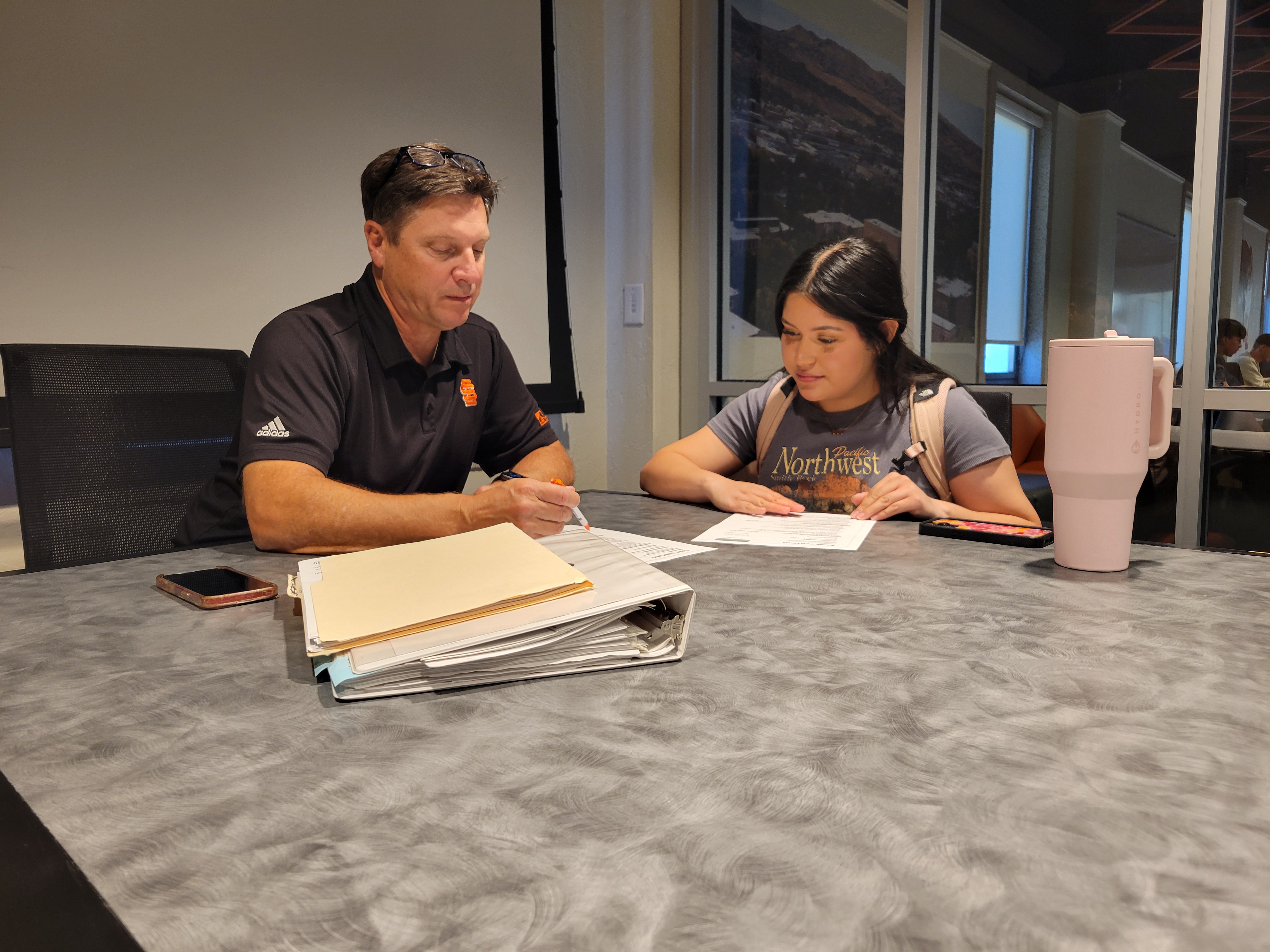
Polish your resume with the pros at Resume Roundup on Wed., Feb. 11 from 11 am-1pm in the COB Student Community Center. Meet one-on-one with experts from the ISU Career Center for personalized feedback that helps you stand out.