
.png)
What is a Certificate in Athlete Counseling?
The Online Athlete Counseling Graduate Certificate is a specialized, 9-credit, fully online program housed in the Idaho State University Department of Counseling. It is designed for licensed mental health professionals and graduate students seeking advanced training to support the holistic wellness and mental health of athletes across competitive levels. Grounded in evidence-based counseling practice and wellness models, the certificate emphasizes culturally responsive, developmentally informed care with athletes and performers, integrating mental health, performance concerns, identity development, and career and life transitions. Select courses are also open to other professionals who work with athletes in educational, medical, and sports settings and can be taken without seeking a certificate.
While this graduate certificate focuses on clinical and systems-based preparation for licensed or license-eligible mental health professionals who work with athletes, it can also complement performance-focused credentials such as the Certified Mental Performance Consultant (CMPC) through the Association for Applied Sport Psychology, which emphasize mental skills and performance enhancement rather than clinical counseling.
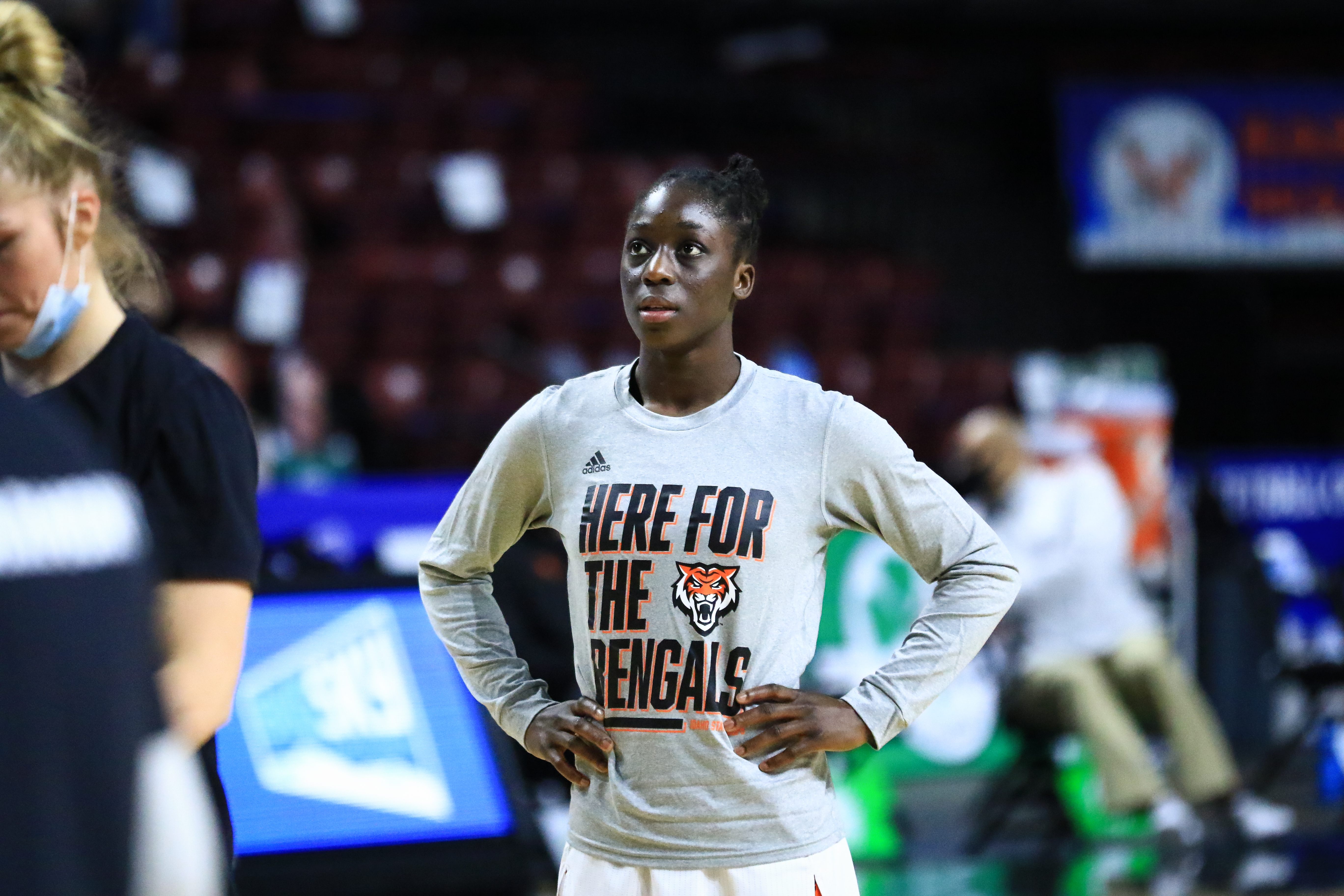
The curriculum is delivered in an online format to accommodate working professionals and students in diverse locations, using a blend of asynchronous learning and interactive experiential activities. Courses focus on core knowledge of athlete development and sport culture, applied counseling skills in sport and performance contexts, and ethical, collaborative practice within interprofessional sport settings. While the full certificate sequence is intended for mental health professionals, the first and third courses are intentionally structured to welcome other professionals who support athletes, providing shared language and collaborative skills for interprofessional sport and wellness teams.
Across the course sequence, students engage with current research, case examples, and experiential application activities that help students translate theory into practice with youth, collegiate, and adult athletes. The curriculum is intentionally aligned with best practice recommendations emerging in the athlete counseling literature and in professional counseling training standards.
.jpg)
This certificate and courses are ideal for:
Licensed or actively enrolled graduate students in a mental health-related field, such as professional counselors, social workers, marriage and family therapists, and psychologists, who want a focused specialty in athlete counseling and mental health.
Other professionals who work closely with athletes, such as (but not limited to) athletic trainers, coaches, sport medicine providers, and student affairs or academic support staff, may enroll in designated courses, which are Course 1 and Course 3, without completing the full graduate certificate.
Course 1 and Course 3 are open to qualified non-mental health professionals; admission to the full graduate certificate, however, is limited to licensed mental health professionals and related graduate students.

Graduates of the Online Athlete Counseling Graduate Certificate will be prepared to conceptualize athlete clients using holistic wellness and developmental frameworks, including identity, injury, transition, and performance-related concerns. They will be able to apply specialized counseling skills with athletes and performers while collaborating ethically with coaches, athletic trainers, and sport medicine teams.
Graduates will also be able to articulate the role of mental health professionals within integrated sport and performance teams, advocate for athlete mental health, and contribute to the emerging specialty practice of athlete counseling and supporting athlete well-being.
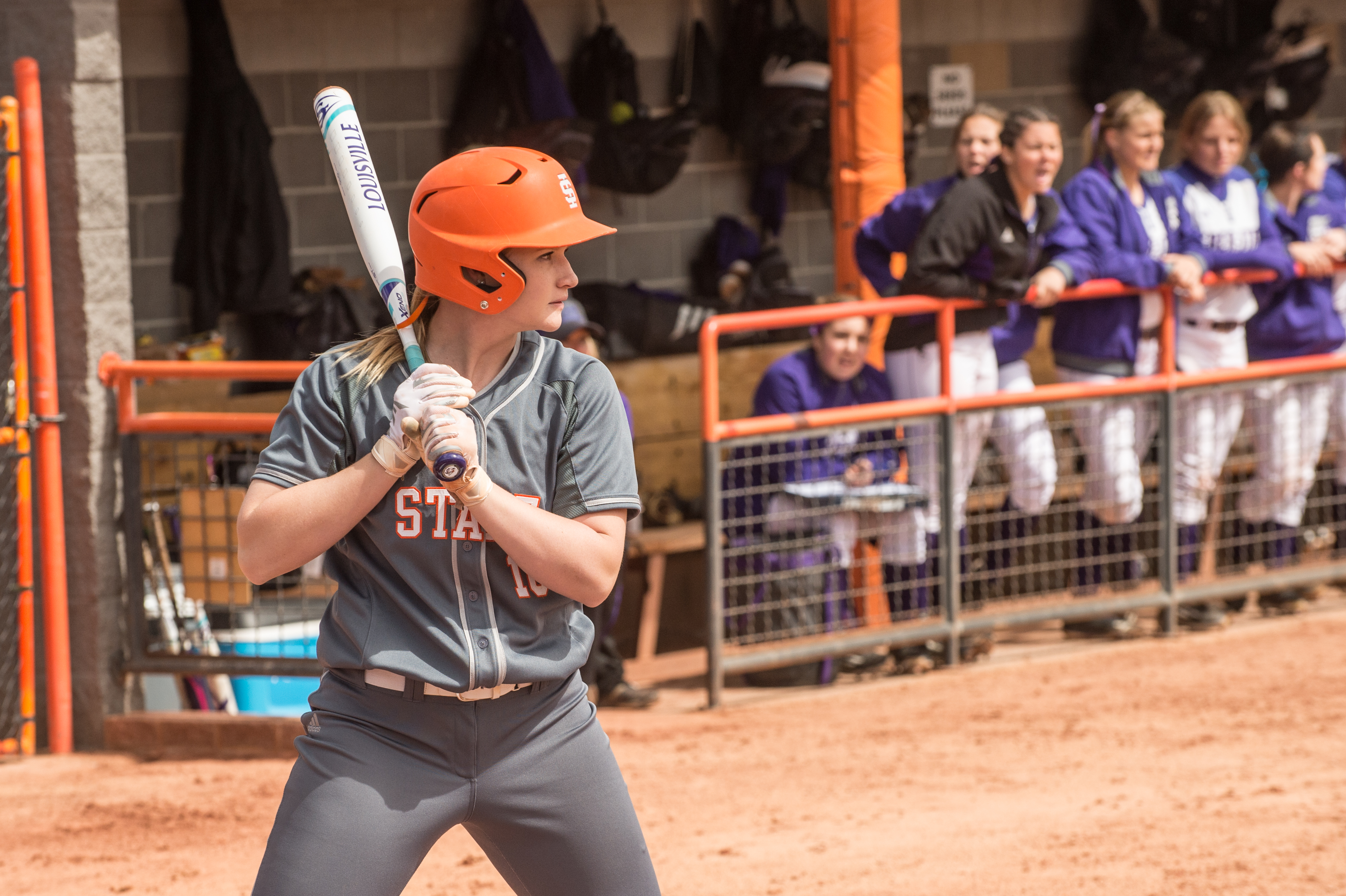
COUN 6682: Foundations of Athlete Counseling: Mental Health & Performance
This course introduces the unique mental health and performance challenges athletes face across youth, high school, collegiate, and professional sports. Students examine athlete identity, performance pressures, injury, transitions, and the broader cultural contexts of sport through holistic wellness and sport psychology frameworks.
Emphasis is placed on ethical decision-making, confidentiality in athletic settings, and effective collaboration with coaches, athletic trainers, and other support staff available to athletes. The course is open to graduate mental health trainees and licensed professionals, as well as other professionals who support athletes. This course establishes the foundational knowledge and shared language needed for the rest of the certificate.
COUN 6683: Counseling with Athletes: Evidence-Based Approaches
This course provides advanced clinical training in evidence-based counseling interventions tailored to athlete populations. Building on the foundations course, students deepen their skills in assessment, diagnosis, and treatment planning for concerns commonly experienced by athletes, including trauma, anxiety, depression, injury-related distress, disordered eating, and performance anxiety. Attention to culturally responsive and developmentally appropriate care is threaded throughout, so students learn to adapt interventions to diverse athlete identities and competitive contexts.
Students apply clinical mental health counseling approaches alongside sport psychology strategies to help athletes enhance resilience, manage pressure, and return to competition in healthy ways. The course prepares counselors to deliver high-quality, effective mental health services for athletes in schools, collegiate athletics, community agencies, and private practice, and aligns with NCAA expectations for qualified mental health care.
COUN 6684: Team Dynamics and Systems Interventions in Athletics
The final course focuses on team and systems-level mental health work in athletic environments. Students examine group dynamics, leadership, and communication within teams and athletic departments, and they learn consultation models and systemic intervention strategies that promote collective mental health and optimal functioning for athletes and their environments.
Coursework emphasizes working collaboratively with coaches, athletic trainers, administrators, and other stakeholders to design and implement mental health promotion initiatives, team workshops, and policy-level interventions. Ethical challenges, power dynamics, and confidentiality in multi-stakeholder sport systems are critically explored, equipping students to provide consultation and advocacy across athletic organizations. The course is open to graduate mental health trainees, licensed mental health professionals, and other qualified professionals who work within athletic systems and want to strengthen their capacity for systemic intervention and leadership.
Our Director
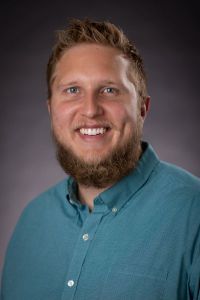
Conner Vrba, Ph.D., LCPC-S, NCC (he/him)
Clinical Assistant Professor
Office: Meridian 516, 1311 E Central Dr., Meridian, ID 83642
Phone: (208) 373-1806
Email: connervrba@isu.edu
Specialty Areas: ACT, Student Athletics, Injury Recovery
Education: Ph.D, 2022, Idaho State University
M. Coun, 2020, Idaho State University
B.S, 2016, Idaho State University
Biography: My research and scholarship focus on the mental health of student athletes, with particular attention to well-being, resilience, and the identity and transitional challenges athletes face, including performance pressures, injury recovery, and career transitions. As a former Division I football player, I bring firsthand understanding of athletic culture to this work. Clinically, I practice from a trauma-informed lens that recognizes the unique stressors in competitive sport and life, integrating Gestalt and Acceptance and Commitment Therapy (ACT) to support sustainable growth and authenticity.