
Respiratory Protection Program
Respirators are used to protect people from inhaling hazardous airborne materials when ventilation or other control methods are unavailable. In many workplaces, various respiratory hazards pose significant risks to workers' health. Among these dangers are asbestos and silica, notorious for causing severe lung issues. Additionally, other airborne pollutants such as dust, fumes, and chemical vapors can also jeopardize respiratory health. There is also voluntary use of respirators, but this is only applicable to certain employees and positions. Please contact the Safety Technician if you have any questions regarding N95 masks or the voluntary respiratory protection program.
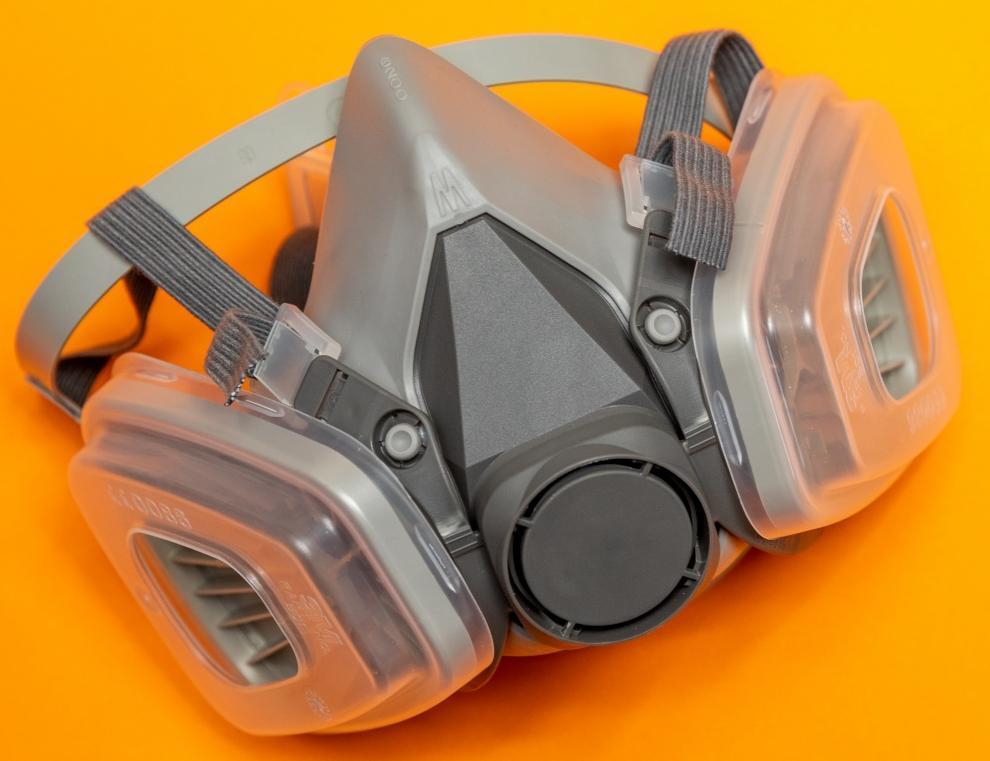
The University has detailed respiratory protection standards to protect employees and students from airborne hazards. All respirators used by employees and students must be coordinated through EHSS with our Environmental Health Manager.
Your supervisor may recommend your participation in the program, or your job duties will require you to be enrolled. Please contact EHSS for assistance with scheduling an exposure assessment to ensure the need for respiratory protection.
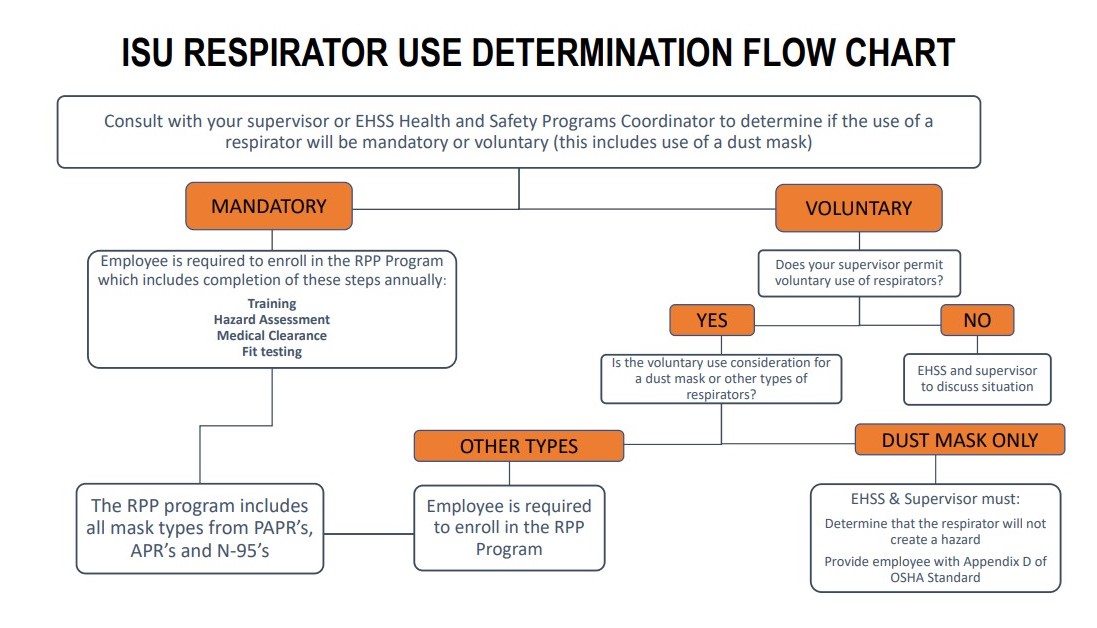
There are four steps to complete before being able to become an approved respirator user.
- Complete the Hazard Assessment form (Appendix B)
- This will be completed with assistance from your supervisor and EHSS
- Training
- Provided by our Environmental Health Manager
- Medical Clearance
- Includes an OSHA questionnaire
- Fit testing
- EHSS provides two methods of testing to ensure proper fit
All four of these steps will need to be completed every year.
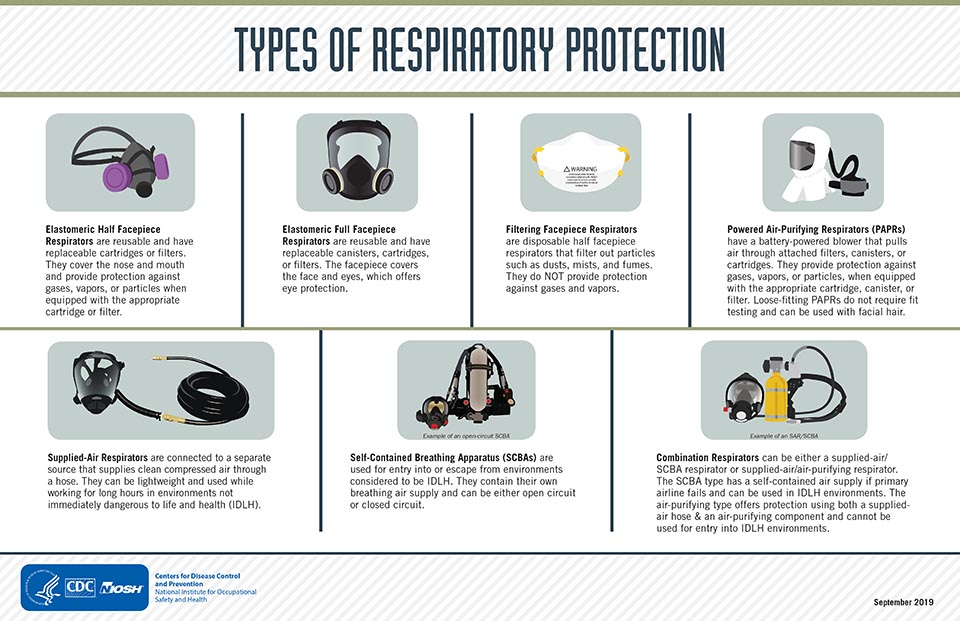
A clean shaven face is required by OSHA for individuals wearing (or being fitted for) a tight fitting respirator. This includes and N-95 and any other filtering facepiece respirator. The purpose of the requirement is to protect the individual wearing the respirator.
NIOSH and the CDC have worked together to compile the infographic below illustrating which facial hairstyle will not work with a respirator. EHSS utilizes this guidance when performing respirator fit tests. This CDC Facial Hair Guide is available for printing and sharing.

Follow this link to get specific details about our N-95 specific program. If you have any further questions contact the Environmental Health Manager.