
From its establishment forward, Idaho State University has embodied the bold, determined Bengal spirit growing through visionary leadership, academic excellence, and service to Idaho and beyond. Its story of resilience and heart reminds us that when Bengals lead with courage and perseverance, there are no limits.
“It is Idaho State University’s time — indeed it is Idaho State University’s time to RISE. So, let’s celebrate the climb — embrace opportunities, and boldly go forward, Bengals!”
— President Robert W. Wagner, Ph.D. at the President’s Fall Address, 2025
IDAHO STATE’S TIMELINE OF GROWTH THROUGH THE YEARS
1901—Academy of Idaho
The Academy was established on March 11, 1901, when Governor Frank W. Hunt signed Senate Bill 53 into law drafted by Theodore F. Turner. The Academy opened its doors on September 22, 1902.
- In 1912, May Day was marked as an early tradition with a choreographed dance braiding the May Pole, and the crowning of the May Queen. This was one of the first large events that brought the community to campus.
1915—Idaho Technical Institute
The Academy of Idaho was renamed the Idaho Technical Institute, referred to by many as “the Tech.” The two-year vocational collegiate institute was divided into two schools, the Technical School and the College Preparatory School, or Junior College.
- In 1916, the first letter on Red Hill was placed as a “T” for Its evolving letters; from “T” to “4” to today’s “I”, symbolize Idaho State University’s growth.
- In 1922 the Quad was dedicated to former coach and Athletic Director Ralph “Hutch” Hutchinson.
1927—Southern Branch, University of Idaho
House Bill 160 transformed the Tech into the University of Idaho-Southern Branch, referred to as the “Branch” or “Twig” by many.
- The Branch had four divisions: Letters and Science, Engineering, Vocational Completion, and Pharmacy.
- The current Administration Building opened as the Student Union in 1939, hosting Pocatello’s most popular dances until 1959.
1947—Idaho State College
On March 3, 1947, Governor Robins signed the Bill establishing Idaho State College, independently granting four-year degrees.
- The 1950s marked a period of growth and progress at Idaho In 1951, Reed Gym opened. The nursing program began in 1956, and the new Student Union building opened in 1959, later renamed in 1985 to honor Earl R. Pond, fondly known as “Mr. ISU” as he served as the Student Union general manager for nearly 23 years.
1963—Idaho State University
On July 1, 1963, by action of the 37th Idaho Legislature, the institution became Idaho State University, obtaining its fifth and final name. Classes were dismissed for the historic occasion as student and administrative leaders traveled to Boise to witness Governor Smylie sign the bill.
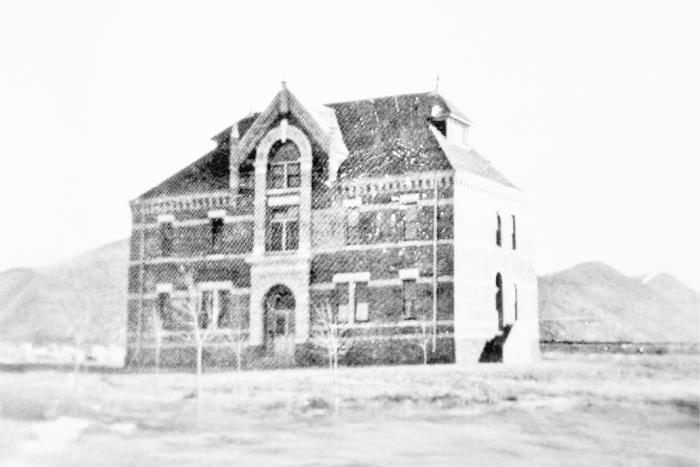
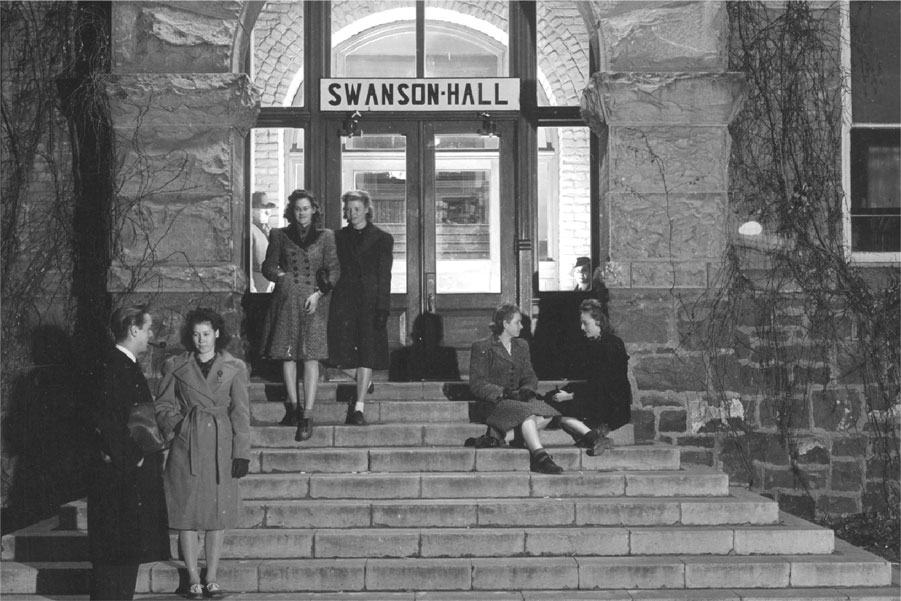
- From 1970 onward, Idaho State marked milestones that shaped campus life and Students funded the nation’s first enclosed Minidome in 1970. That same year the Red Hill Pillars were dedicated. Swanson Hall was demolished in 1973, preserving its arch for tradition. The Oboler Library opened in 1977. Idaho State went online in 1997. The Stephens Performing Arts Center debuted in 2004, while the Student Recreation Center opened in 2010. The Bronze Bengal arrived in 2012, and the ICCU Bengal Alumni Center was dedicated in 2023.
LEADING WITH PURPOSE AND VISION FROM THE BEGINNING
Theodore F. Turner
The “father” of Idaho State University
Turner’s lasting impact on what became Idaho State University:
- Authored the bill that created the Academy of Idaho in 1901.
- Helped make the campus possible—literally. The bill required land be secured by a deadline, and Turner’s extensive local landholdings helped clear that hurdle.
- Advocated for a four-year academic school for more than 50 years culminating in support for the bill that created Idaho State College as an independent four-year degree-granting institution in 1947.
1902-1907
John W. Faris
Faris was the first principal of the Academy of Idaho.
- Built the institution’s foundation, expanding campus and creating new, innovative academic programs.
- Pioneered night classes to serve non-traditional students’ needs.
1907-1919
Miles F. Reed
Reed oversaw the school as it transitioned from an Academy to a Technical Institute.
- Influential in statewide educational policy.
- Reed Gymnasium bears his name, honoring his commitment to education.
1919-1925
Charles R. Frazier
Frazier was the first leader to hold the title of “President.”
- Served as a dedicated proponent of creating a four-year college. His efforts laid the groundwork for the future.
- Frazier Hall, built in 1924, was named in his honor.
1934-1946
John R. Nichols
Nichols led the University of Idaho-Southern Branch in the midst of WWII.
- Increased enrollment through the Navy V-12 program, paving the way for 4-year status.
- Developed a 50-year plan to bring cultural and social opportunities at the institution.
1946-1959
Carl McIntosh
McIntosh was the 7th president of Idaho State College leading during the post-WWII era.
- The “Branch” is renamed Idaho State College, becoming a four-year institution.
- Supported campus growth, averaging one new building each year, including the Student Union Building.
1960-1964
Donald Walker
Walker led during the transition to becoming Idaho State University.
- Served as the youngest university leader in the nation at age 39.
- Increased research, enrollment and degree opportunities.
- In 1963, oversaw Idaho State College’s transition to Idaho State University.
1965-1975
William “Bud” Davis
After a career coaching football, Davis became the 9th president of Idaho State University.
- Focused on program development, adding engineering, counseling, the MBA program and more.
- Supported construction of the Minidome.
- Davis Field was named to honor his legacy.
1985-2005
Richard L. Bowen
Bowen was the 11th president of Idaho State University, serving for 20 years.
- Focused on campus growth and relationship-building, creating facilities such as the Stephens Performing Arts Center and the Richard and Connie S. Bowen Rendezvous Center.
- Expanded rural outreach, and reversed enrollment decline securing Idaho State University’s future.
We honor the leaders of yesterday, today, and tomorrow whose courage and vision
shape Idaho State University’s enduring legacy.
PILLARS OF PRIDE: A RED HILL LEGACY
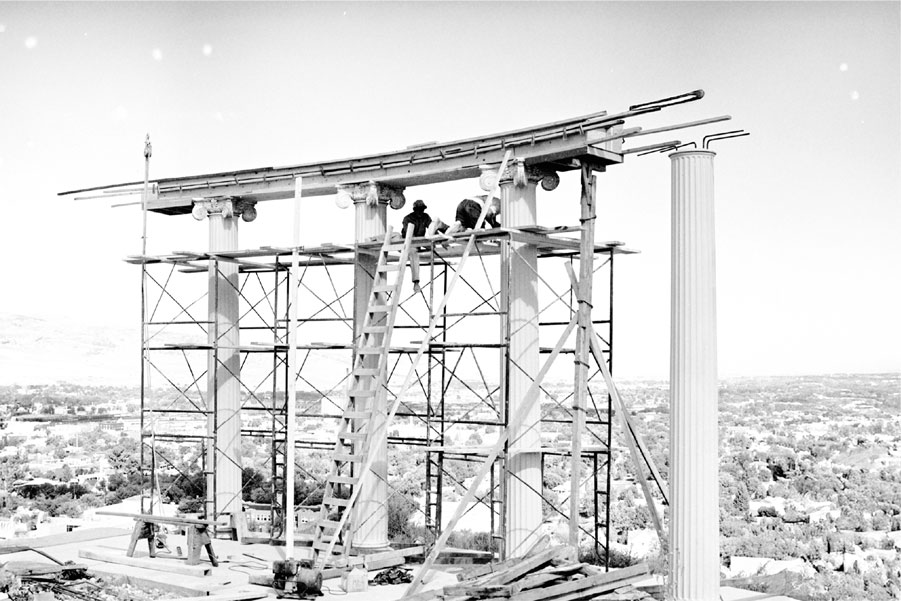
“The three pillars connected under the lintel represent the individuals within the group or the students, while the single pillar represents the alumnus who has left the student group and is standing alone.”
— Bill Ryan, Idaho State’s First Alumni Director
All alumni stand as proof that the Bengal spirit still burns strong, pioneering, building, and inspiring generations to come.
A BOLD BEGINNING
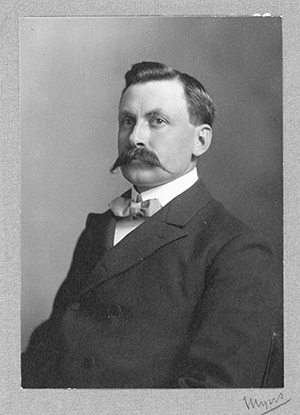
State Senator Theodore F. Turner turned a bold vision into reality when he drafted Bill 53, founding the Academy of Idaho. Governor Frank W. Hunt signed the bill on March 11, 1901, creating the institution that would grow into Idaho State University today.
His commitment went beyond words. He donated the 8.5-acre tract that became Idaho State’s lower campus, as well as Red Hill and a 160-acre farm, ensuring the Academy’s enduring foundation.
Through his courage, dedication, persistence, and overcoming opposition, Theodore F. Turner became known as the “father” of Idaho State University. He empowered generations to learn, lead, and serve. His pioneering spirit continues to echo across campus and throughout eastern Idaho, reminding all Bengals that education is both a privilege and a promise, one made possible by a man whose vision transformed a small town’s dream into a legacy of opportunity.
Theodore Francis Turner (1868-1951) was a key figure in Idaho State’s establishment and early development. He advocated for a four-year academic school for more than 50 years.
“If Idaho ever honors me with a seat in its legislature, I will establish a school of higher learning at Pocatello.”
— Turner, to his wife in 1889 while teaching in Oxford, ID.
A TRADITION STILL STANDING
BENGALS WHO ROAR
For over a century, Idaho State University’s students, alumni and faculty have moved forward with courage, vision, and heart. From early student movements shaping Red Hill traditions, to pioneering alumni and faculty transforming science and society, Idaho State’s legacy is one of determination and discovery. Each Bengal, past, present, and future, carries forward the spirit that turns ambition into impact and pride into progress.
Marked History
Helen K. Whittlesey Ferrer: First Graduate, 1904
When the Academy of Idaho opened its doors in 1902, women were welcomed as equals, a rarity for the time. In 1904, Helen K. Whittlesey Ferrer became the Academy’s first graduate, setting a precedent for generations of women scholars who would follow. Her achievement reflected the Academy’s progressive vision and helped establish Idaho State as a place where opportunity has no boundaries.
A 30-year Pursuit for Change
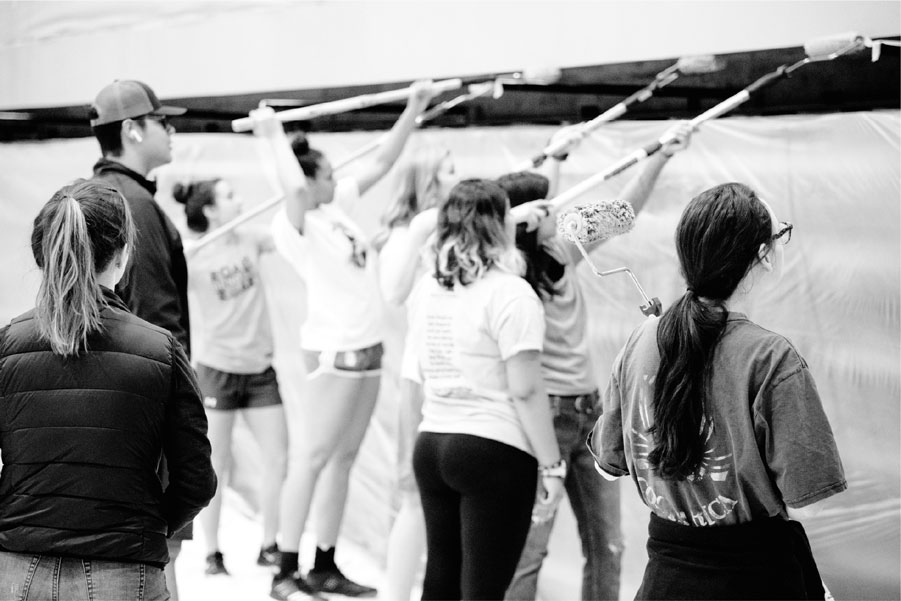
Student activism has long shaped Idaho State’s history. For over three decades, students and locals rallied for four-year degree status, even transforming Red Hill’s “T” (for Idaho Tech) into a “4” to symbolize their determination.
At last, perseverance triumphed. On March 3, 1947, Governor Charles Armington (C.A.) Robins signed the bill creating Idaho State College, and the letter on Red Hill was permanently changed to an “I” for Idaho, a lasting emblem of victory and progress. The new college was officially accredited in December 1948. The “I” was rebuilt later in 2019.
Great Day: The Roar of a New Era
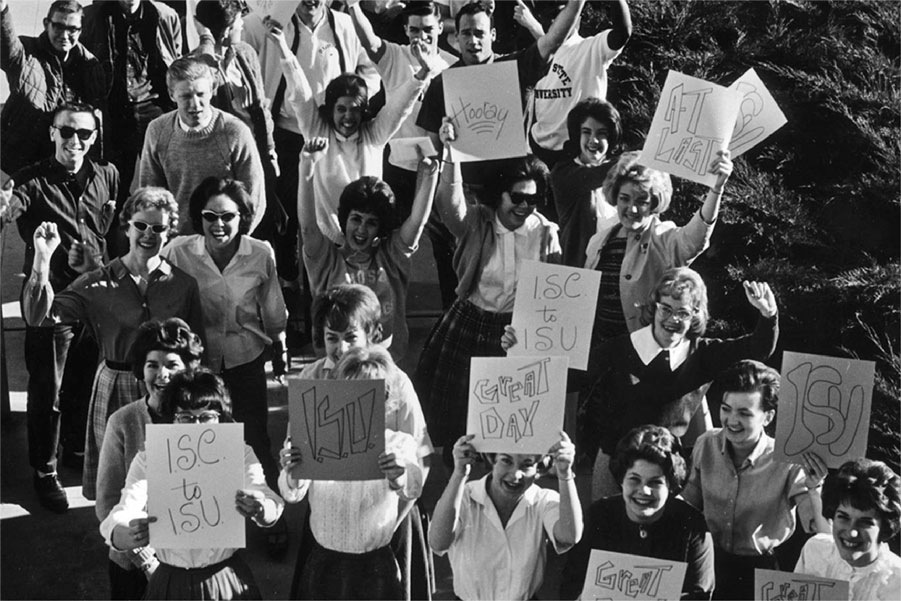
Great Day (celebrated from 1948-1950), marked the triumphant moment Idaho State College became a four-year degree granting institution. It gave students a proud occasion to celebrate their identity, and its final celebration gifted ISC one of its most enduring symbols of spirit: the fight song.

Dorothy Wagoner: A Woman Ahead of Her Time
In 1952, Wagoner made history as Idaho State’s first female student body president and the only woman in the nation to hold such a role at the time. Her leadership marked a turning point for women in higher education and embodied the Bengal spirit of courage, equality, and innovation that continues to inspire students today.
The Birth of the Bronze Bengal
In 1953, a papier-mâché on a wire frame tiger was made for a Phi Sigma Kappa homecoming float. The tiger was so liked that it was preserved and added as a permanent fixture outside of Reed’s Gym on campus for decades. It was taken down in 2013. In October 2012, the bronze bengal outside the SUB was revealed and a new tradition started where students give the statue a high-five for good luck.
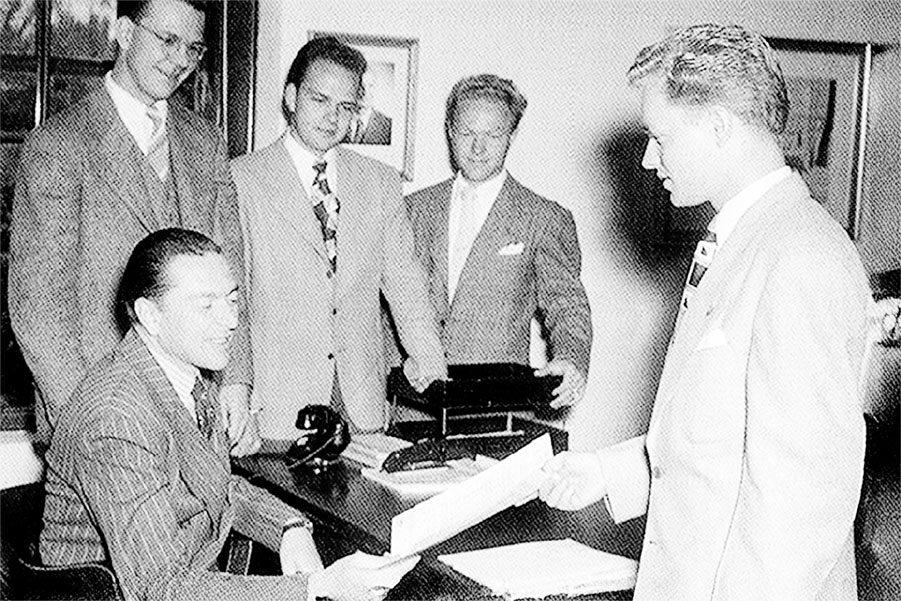
Jack Johnson: Voice of Vision, 1961
Student body president Jack Johnson gave voice to the Bengal determination when legislators doubted the institution’s readiness to become a full University. Johnson declared a powerful statement that instilled confidence, unity, and hope among his fellow students carrying Idaho State’s determination forward. Two years later, on July 1, 1963, that vision was fulfilled. Idaho State College proudly became Idaho State University.
“Honor, glory, tradition, and respect are not endowed by acts of legislatures… It is we who work, study, and learn here now, and those who follow us, who will give birth to Idaho State University.”
— Jack Johnson, Student Body President, 1961
A BROAD IMPACT
Serving from Idaho Falls to Meridian, Twin Falls, and even through partnerships like the one in Anchorage, Alaska, Idaho State’s reach extends far beyond Pocatello—offering accessible, high-quality education, world-class health sciences, student support, and community-driven partnerships that empower Bengals to learn, lead, and serve across the nation and beyond.
Alumni Who Transformed Their Field
Powering the Future
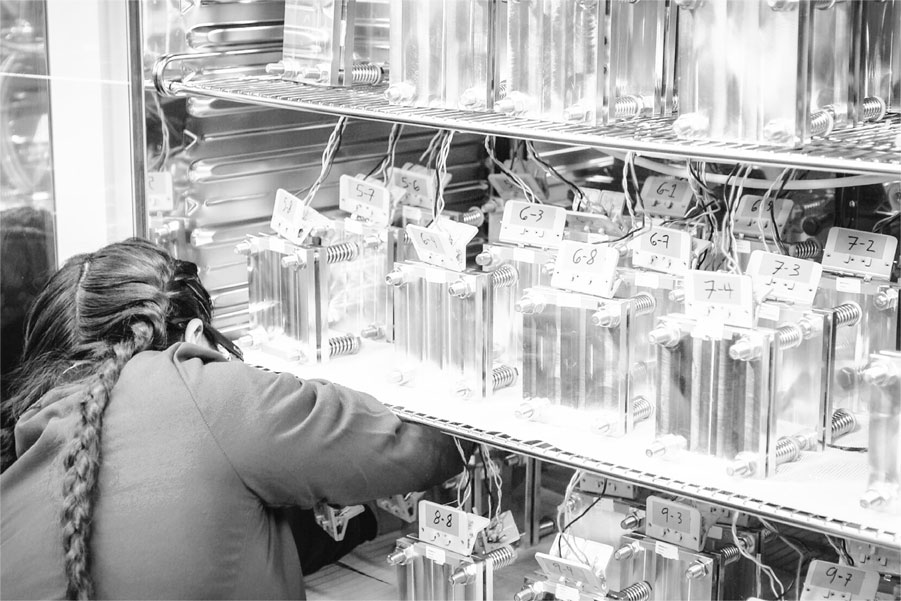
Dr. Peter Frischmann (B.S. Chemistry, Idaho State University, 2005)
Frischmann co-founded Sepion Technologies, named one of the “10 Start-ups to Watch” by the American Chemical Society for pioneering lithium-metal batteries that boost electric vehicle range and sustainability.
“I left ISU with a toolbox to identify problems, efficiently seek information to craft hypotheses and design experiments, interpret the results to create new knowledge, and then identify the next important question to ask. I continue to add specialty tools and sharpen the originals, but the box will always say ‘ISU’ on the side.”
— Dr. Peter Frischmann
Pioneer of First American Studies
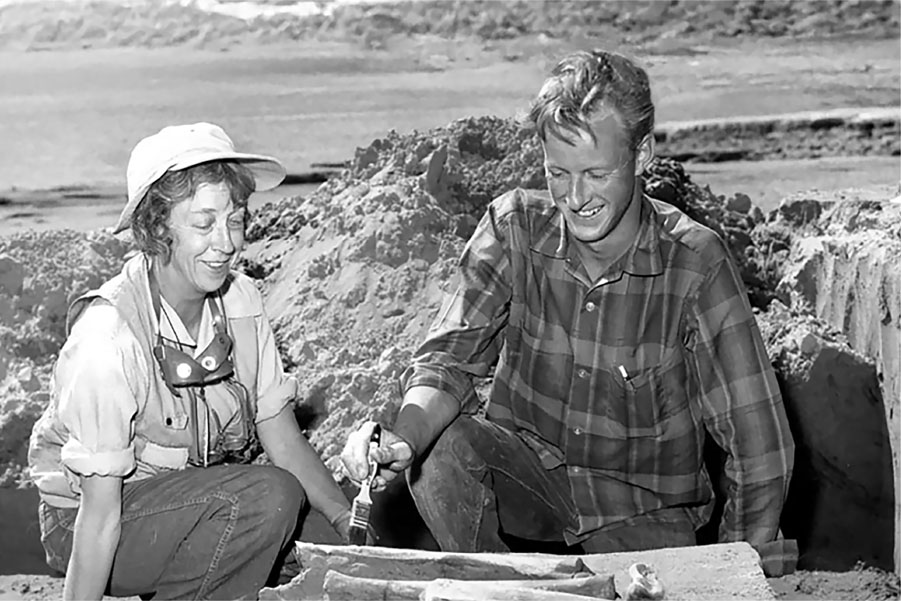
Dr. Robson Bonnichsen (B.A. Anthropology, Idaho State University, 1965)
Bonnichsen was an influential anthropologist whose work reestablished the understanding of the first humans in the Americas. After graduating from Idaho State, he became a master flintknapper, founding the Center for the Study of Early Man to promote research on ancient human migration. His innovative studies and leadership helped establish First American Studies as a major scientific field internationally.
Rooted in Discovery
Dr. Arthur Cronquist (B.S. Biology, Southern Branch-University of Idaho, 1938)
Cronquist was a groundbreaking botanist and plant taxonomist recognized for creating the Cronquist system, a major framework for classifying flowering plants. After earning his biology degree from Idaho State, he became a leading expert on the Asteraceae family and co-authored Flora of the Pacific Northwest. His research reshaped modern plant classification and continues to influence botanical science all throughout the world.
The Power of Idaho State Research

At Idaho State University, discovery runs deep. Our researchers challenge limits, ignite innovation, and turn curiosity into progress advancing science, strengthening communities, and shaping a better future for Idaho, and the world.
Dr. L.J. Krumenacker – Paleontology
Idaho State’s paleontologist Dr. Krumenacker discovered Idaho’s first tyrannosaur fossil, a 100-million-year-old femur that expands understanding of early tyrannosaurs and Idaho’s paleontological potential.
Dr. Devaleena Pradhan – Hormones and Behavior
Dr. Pradhan’s research explores hormonal effects on anatomy and social behavior in birds and fish, integrating molecular science and education to expand hands-on interdisciplinary research opportunities for students.
Dr. Sarah Godsey – Hydrology and Climate Research
Dr. Godsey studies how mountain and polar streams respond to drought and climate shifts, improving understanding of water flow, stream drying, and resource management in changing environments.
Dr. Cori Jenkins – Green Chemistry
Dr. Jenkins and students develop sustainable sulfur-based polymers from petroleum waste, creating materials for gold recovery, water safety, and eco-friendly adhesives, advancing circular economy research and STEM training.
THANK YOU
To all past, present, and future Bengals: students, faculty, staff, and alumni, thank you for the discoveries, creativity, dedication and service that continue to shape Idaho State University and the world.
ATHLETICS AND SCHOOL SPIRIT
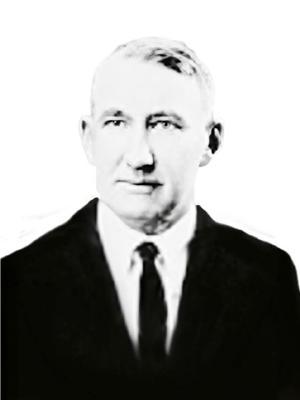
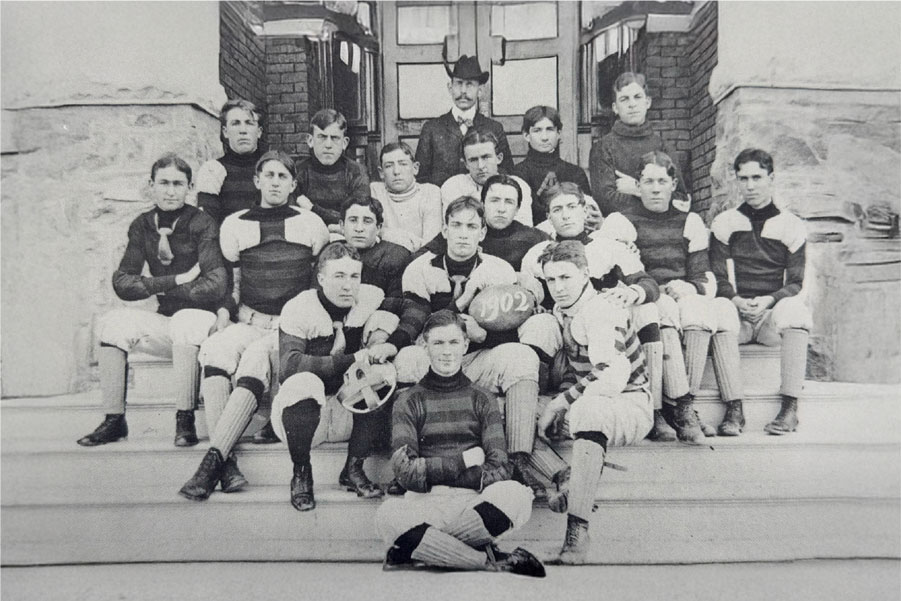
From the spirited Bantams (1902–1915), to the Idaho Technical Tigers (1915–1946), and the fearless Bengals (since 1947), Idaho State’s teams have embodied integrity, passion, and heart. Through thrilling victories, historic milestones, and moments of triumph and adversity alike, Bengals have worn their colors with pride and fierce determination.
While serving as Director of Physical Education and Athletics from 1920–1927, Princeton graduate, Ralph “Hutch” Hutchinson founded the “I” Club, adopted the Bengal Tiger and established the black-and-orange color scheme—enduring symbols that shaped the Bengal identity and continue to define Idaho State University today.
Lasting Legacies
From visionary leaders to world-class athletes, Idaho State Athletics is shaped by those who dreamed bigger—leaving lasting impact through their passion and talent, inspiring generations of Bengals to come.
Championship Wins

February 27, 2001: A Golden Day for Idaho State Athletics
On this day, Idaho State alumna and Olympic gold medalist Stacy Dragila, broke the women’s world pole vault record at the Simplot Games, clearing 15 feet, 5 inches inside Holt Arena.
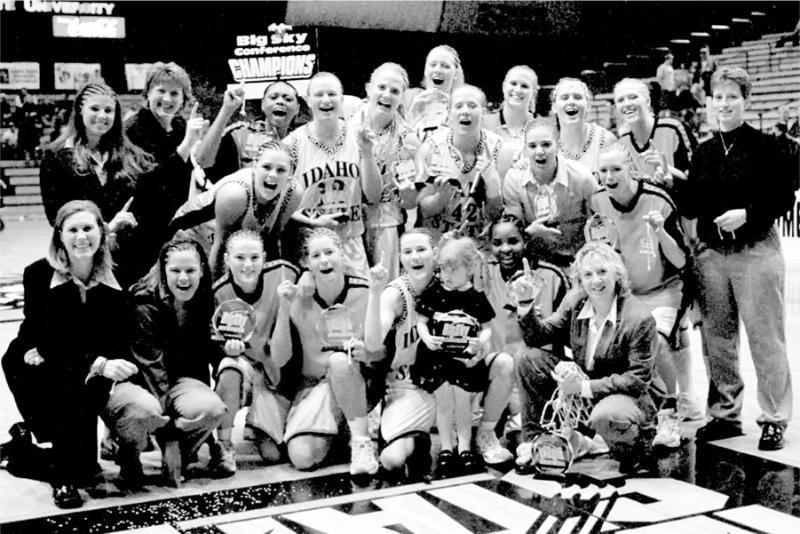
On the same evening, Idaho State’s women’s basketball team clinched its first Big Sky Conference basketball championship by completing an undefeated home season and downing Montana State, 69-58, before a record crowd of 3,011 fans in Reed Gym.
“My most enduring memory was accomplishing something special with amazing women. Every March we can all say we were a part of the Madness, and we were the first to do it at Idaho State.”
— Mandi Carver, Tournament MVP
1961 Football: From Underdogs to National Champions
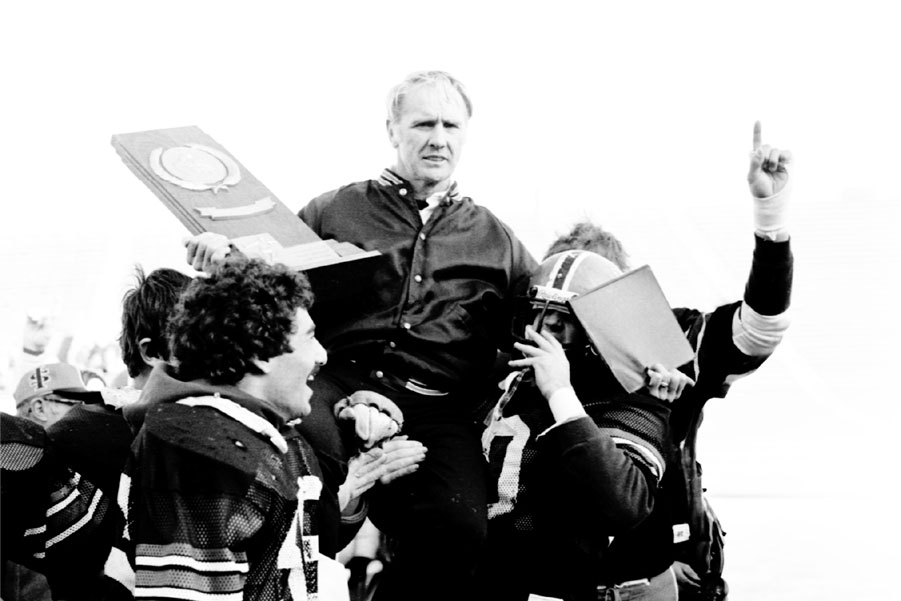
In one of college football’s greatest turnarounds, quarterback Mike Machurek and head coach Dave Kragthorpe led the Bengals to a 12–1 season and the NCAA Division I-AA National Championship. After a 0–11 record just two seasons earlier, the Bengals dominated the playoffs—capping their journey with a 34–23 win over Eastern Kentucky Colonels.
1977 Men’s Basketball: The Elite Eight Run
Under head coach Jim Killingsworth, the Bengals posted a 25–5 record and swept the Big Sky titles. In the NCAA Tournament, they upset Long Beach State and then stunned UCLA 76–75, advancing to the Elite Eight—a feat no other Big Sky team has matched.
Led by 7-foot center Steve Hayes and teammates Ed Thompson, Greg Griffin, and Jeff Cook, their legacy still roars.
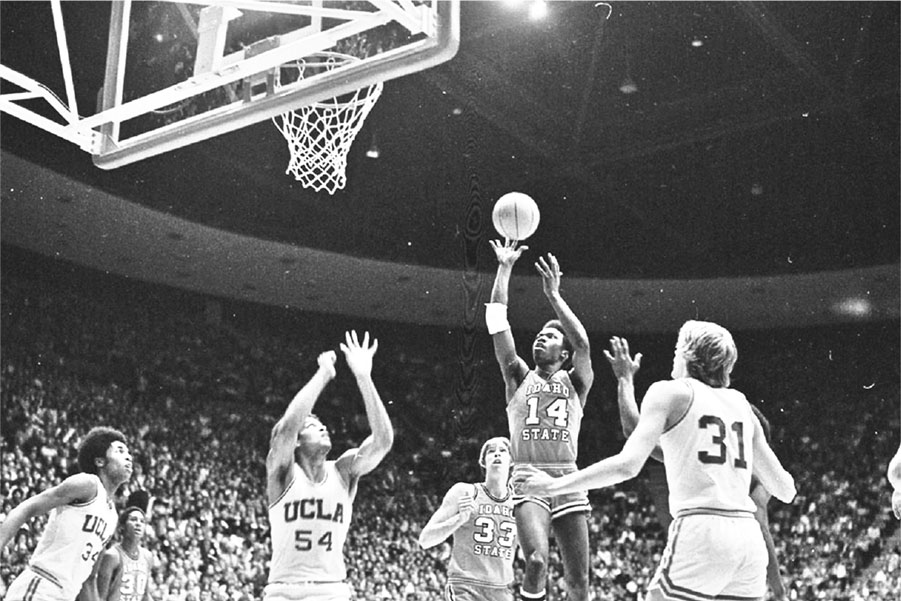
“We were taught to always be humble because everything is a privilege. Being humble as an athlete is something that is not always remembered, but we must do our best because everything we are given can be taken away in an instant.”
— Sai Tapasa, 2017. Idaho State University Women’s Basketball
First Mascot
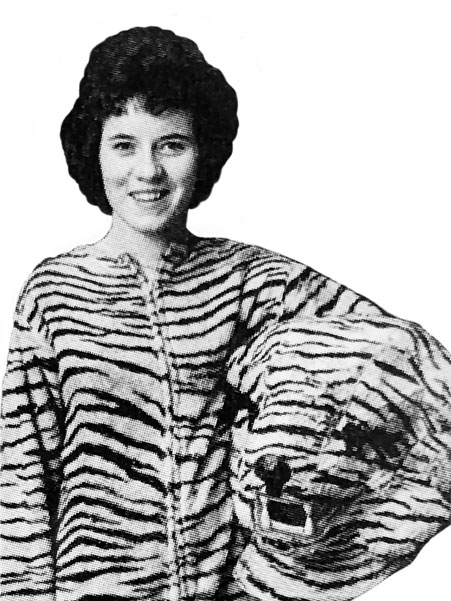
1956, “Benjie”, Idaho State’s first precursor to Benny the Bengal was donated by the Sigma Kappa social sorority to encourage school spirit. For several years, members of the sorority wore the uniform.
The First in the Nation

Idaho State Athletic Director and coach, Milton W. “Dubby” Holt (1967-1989), had not one, but two audacious ideas. He not only wanted to build the first-ever enclosed stadium on a college campus, but wanted the students to pay for it. These ideas ended up being not so crazy after all, Holt’s persistence and persuasiveness won the day.
After the student body voted to support the project, students funded the nation’s first enclosed college Minidome with a $12 tuition increase. The ASISU Minidome opened its doors to fans on September 26, 1970. It was renamed Holt Arena in 1988 to honor coach “Dubby” Holt’s vision. In 2021, a major renovation upgraded the facility and it was renamed the ICCU Dome.
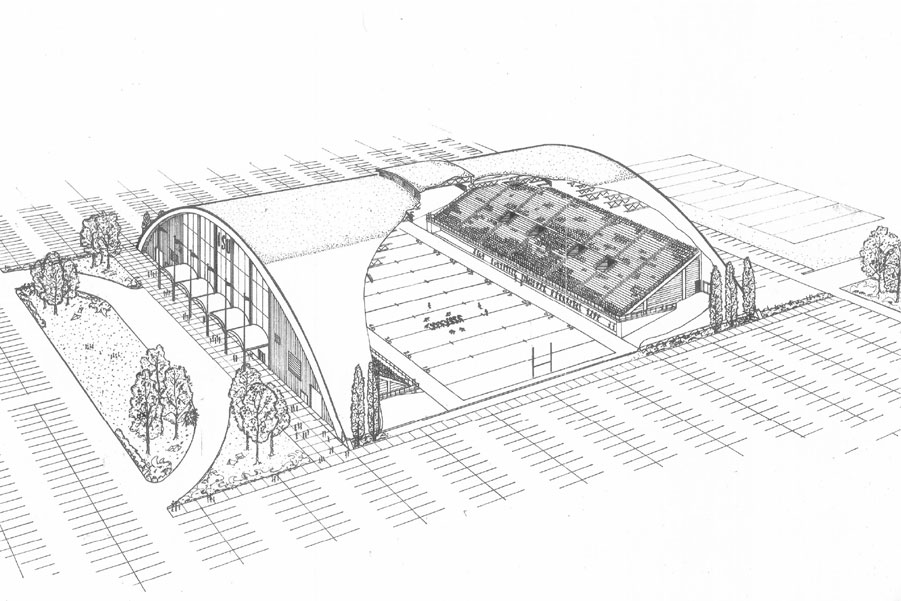
The ICCU Dome is a vital hub for Idaho State University, providing student-athletes with a premier venue to train and compete, strengthening campus spirit through shared experiences, and serving as a landmark gathering place that brings together the Southeastern Idaho community.
“It was kind of a mystery whether [the Minidome] would work or not. The first one ever in the United States. So playing football indoors, no one had even heard about it.”
— Cal Percy, Idaho State Hall of Fame swimmer
Moments of Perseverance
Idaho State has faced repeated global challenges with resilience and innovation. From World War I and the 1918 Spanish flu pandemic, through World War II and the Great Depression, the 2008 Great Recession, and the COVID-19 pandemic, Idaho State’s leaders adapted, expanded, and served their communities—proving the University’s enduring strength and perseverance through every era of crisis.
Idaho State University: A Multi-Level Miracle
For more than a century, Idaho State has faced challenges that tested its very existence, debates over its founding, global conflicts, economic hardship, and public health crises. Through resilience, adaptation, and community resolve, Idaho State University not only survived but thrived. Its continued presence stands as a multi-level miracle, built with courage, guided by purpose, and sustained by generations who refused to let it fade.
1901–1902: The Fight to Begin
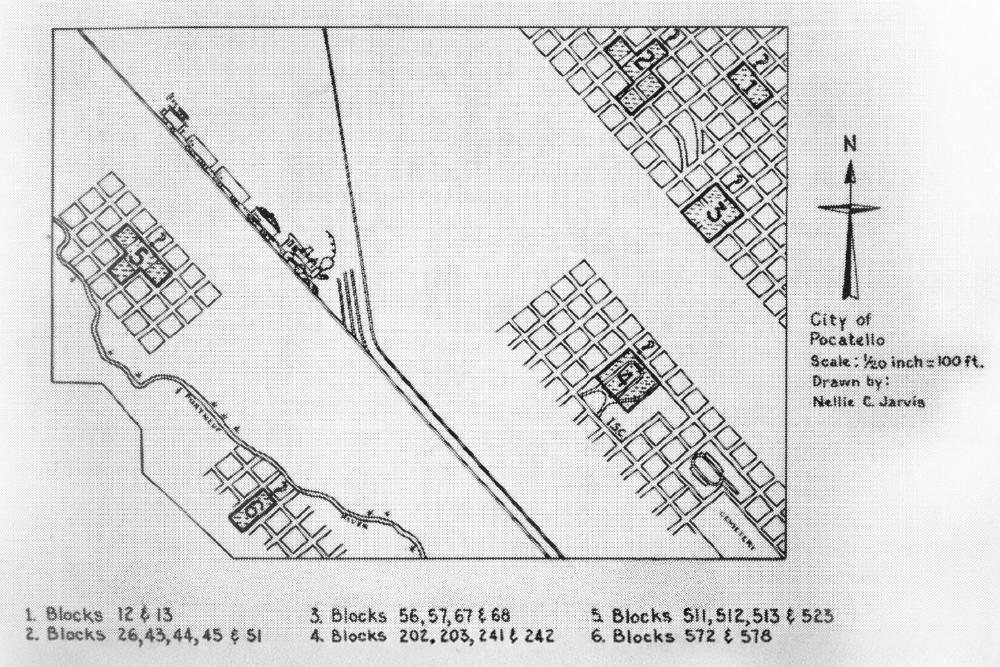
Fierce debate erupted over where the school would be built, famously known as the “Battle of the Blocks.” Turner’s vision prevailed, and the Academy rose in Pocatello.
1914–1918: World War I
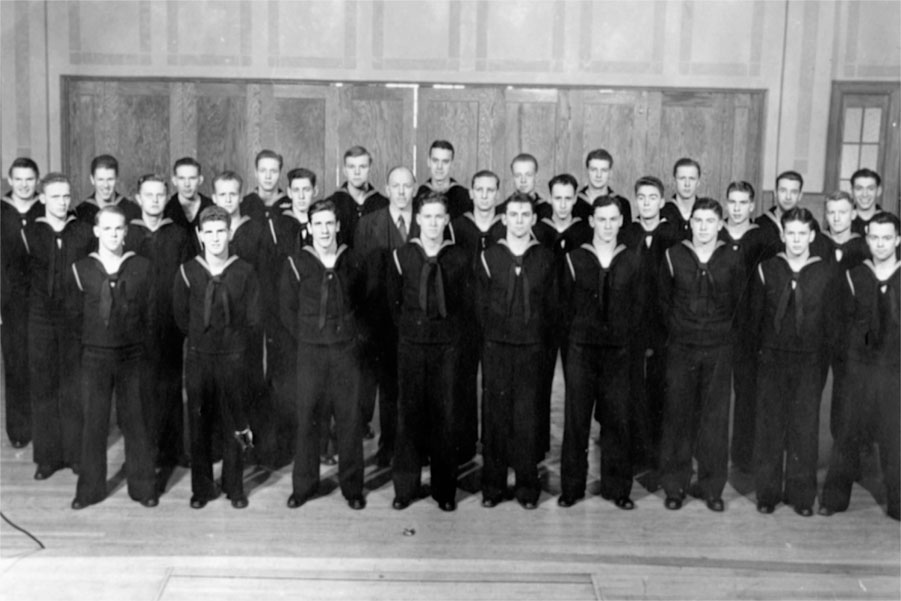
Nearly 90% of faculty and staff left to serve. The U.S. Navy transformed Graveley Hall—built like a submarine—into a training site, turning the campus into a temporary “Navy school.”
1918: The Spanish Flu Pandemic
The flu pandemic forced the school to close early, echoing a challenge Idaho State would face again more than a century later in 2020.
1930s: The Great Depression
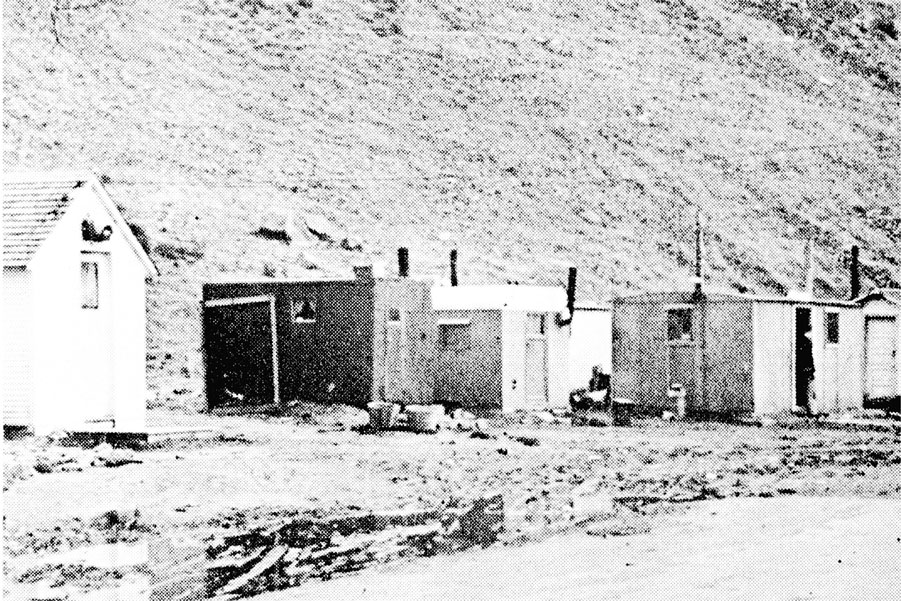
During this hard era, students turned hardship into hope, creating a makeshift community at the base of Red Hill known as “Shanty Town,” or “Hooverville.” As jobs were harder to find, they built small homes out of cardboard, supported one another, and even elected their own mayor—a powerful testament to Bengal resilience.
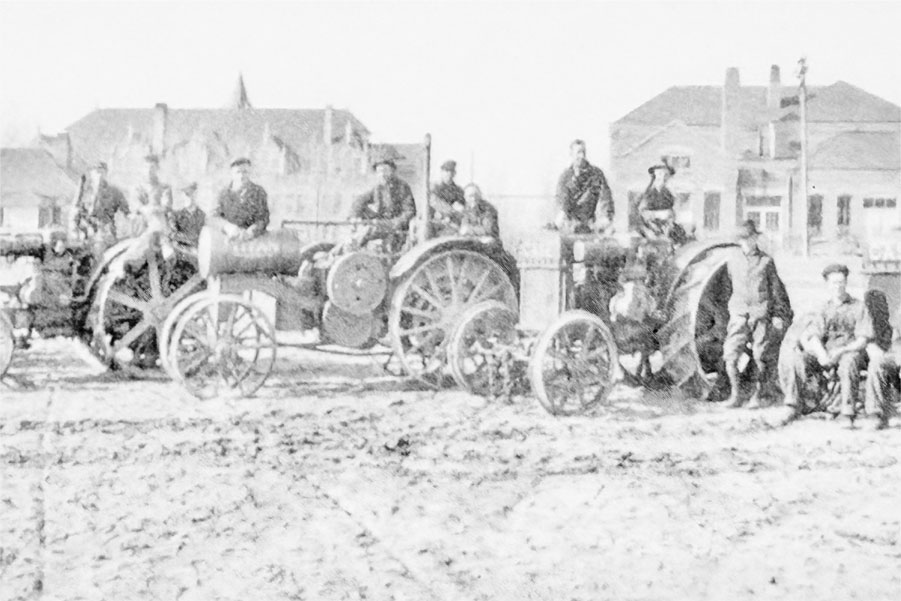
In 1933, the Works Progress Administration put unemployed citizens and students to work at 55¢ per hour to complete the construction of the Spud Bowl, today named Davis Field.
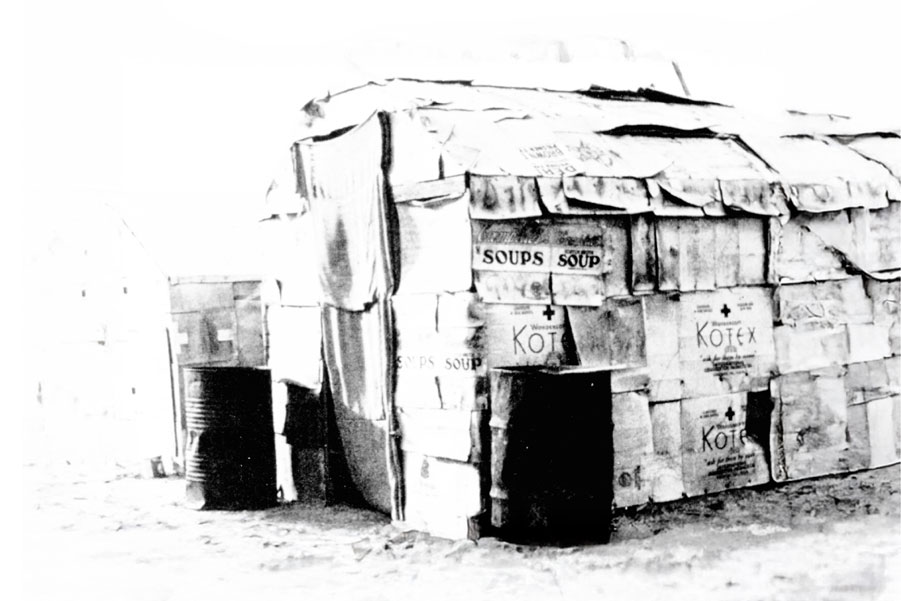
1939–1945: World War II
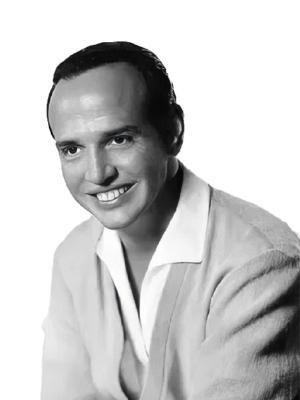
Once again, students and faculty departed for service. The Navy returned, using the campus as a training base for elite officers. Among them was Louis Weertz, who later became a world-famous pianist known as Roger Williams.
Although the Wickiup* yearbook was suspended during the war, a magazine called the Dittybag was published and recounted many stories of military and civilian students joining together in student plays, choral groups, dances, and many other activities.
During the course of the war 2,200 men and 96 women from “the Branch” (University of Idaho–Southern Branch back then), served in the Armed Forces. Of those who served, there were 61 casualties.
*The Wickiup was an annual yearbook published from 1907 to 1981. Copies can be found at the Eli M. Oboler Library Archives. The Bannock County Historical Museum also has an archived collection.
Postwar Era: A Campus Transformed
Fueled by the GI Bill, Idaho State experienced explosive postwar growth, expanding facilities and programs. This era of optimism culminated in University status in 1963, marking a defining leap in academic stature.
2020: The COVID Pandemic
When COVID-19 struck, faculty and students adapted overnight, transforming classrooms into virtual spaces while preserving Idaho State’s values of inclusivity, and continuous learning.



THE FUTURE ROARS
Our history has helped define who we are, but it is our students who are both the reason we are here and the key to our future. In research laboratories, clinics, classrooms, and athletic arenas, students are not only gaining essential skills—they are learning how to apply them to make a meaningful difference in their communities and in the world.
Bengals In Action
At Idaho State University, we proudly celebrate students and alumni whose talent, compassion, and dedication create meaningful impact on campus and far beyond.

Lorraine Backstrom (1967), a member of Idaho State’s first bachelor’s degree in nursing class, she was a trailblazer in geriatric nursing. Lorraine championed patient-centered care by eliminating bed restraints for the elderly, reducing inappropriate medication use, and introducing interdisciplinary care teams, setting new standards in long-term care.
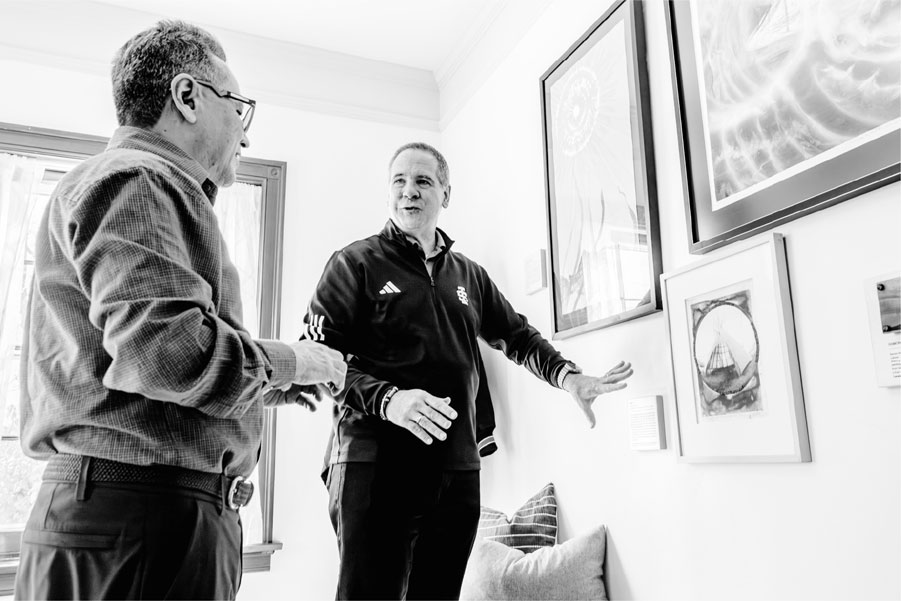
Ramon Murillo (1980), an ISU alumnus and renowned artist, has revitalized his career through teaching, mentoring, and creating evocative works that inspire reflection and connection. His art, celebrated for its cultural richness and emotional depth, adorns Idaho State’s campus, including the University House. His work is exhibited in universities and museums worldwide, reflecting the global reach of Bengal creativity and spirit.
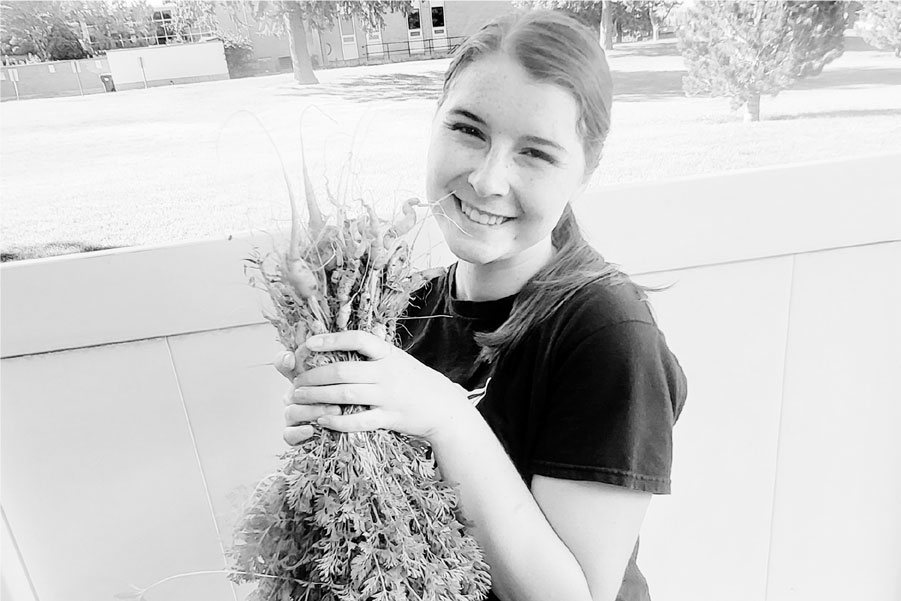
Rachel Nielsen (2025), a Political Science MPA and DA student, dedicated to fighting food insecurity both as the student manager of Benny’s Pantry and through leading research into the struggles of food insecurity on college campuses.
Rachel grew Benny’s Pantry in countless ways, from setting up food drives, to creating a volunteer sign-up program and coordinating the partnership between Benny’s Pantry and the Idaho State Campus Garden. She truly embodies what being a Bengal is all about.
Dare to Roar: Idaho State’s Legacy Lives On
At Idaho State University, we proudly celebrate students and alumni whose talent, compassion, and dedication create meaningful impact on campus and far beyond.
From its earliest days, Idaho State University has been built by dreamers and doers. Each generation transforms challenge into legacy, passing the torch so new Bengals may rise—daring to think outside of the box, and keeping the roar alive.
“When I came to Idaho State, I didn’t have it all figured out. I had a scholarship, a few suitcases and a dream—like many of you did when you first got here. I thought I knew where I was going. I thought purpose was a destination. But let me tell you what I’ve learned since then. Purpose isn’t something you stumble onto. It’s something you build: one choice, one experience, one relationship at a time.”
— Donnel Morgan, Idaho State Alumnus, standout Bengal athlete, and Executive Director of Elevate Oregon
“You belong here. Our Idaho State University community is better because you are here. So just keep going, keep learning, keep growing, and keep making the world a better place.”
— Professor Maria Claudia Huerta Vera, Department of Anthropology and Languages
The Sound of Idaho State
Idaho State University is home to the state’s only Commercial Music program, where students learn to turn musical talent into a career. To meet that need, City Creek Records was born. This record label features music from students, faculty, and associated artists.
“Passing through [the arch] at graduation reinforces this symbolism and reminds you that wherever the future takes you, you will always be a part of the Bengal family.”
— Brianna Lyn Warth, Psychology alumna, Idaho State University, 2019