Administration
Department Chair
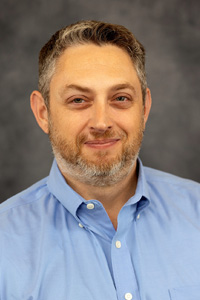
Daniel Morgan
PhD
Department Chair
Professor
BMS
Office: 256 • Leonard Hall • Pocatello Campus
Pharmacology • Neuroscience • Receptor Signaling
The primary focus of the Morgan laboratory is to understand the role of neuropeptide and endocannabinoid signaling in human health and disease including cannabinoid tolerance, drug addiction, and metabolic homeostasis. In 2012, Dr. Morgan started his own independent research laboratory in the Department of Anesthesiology at the Penn State College of Medicine where he was promoted to associate professor with tenure. In 2020, his research group moved to the Joan C. Edwards School of Medicine, Marshall University where he was an associate professor and vice chair in the Department of Biomedical Sciences. In 2025, Dr. Morgan moved into his current role at Idaho State University. Since 2013, the laboratory's research on cannabinoid signaling and tolerance has been funded by R21, K01, and R01 awards from the National Institutes of Health as well as grants from the Pennsylvania Department of Health, the West Virginia Clinical and Translational Sciences Institute, and the West Virginia INBRE. The group's current work involves understanding the molecular mechanisms and signaling pathways that drive tolerance and dependence for cannabinoid drugs including ∆9-THC, the psychoactive and pain-relieving component of cannabis. This work has important clinical relevance, since tolerance and dependence are two of the criteria used by clinicians for diagnosing patients with cannabis use disorder. Dr. Morgan also serves as an associate editor for the Journal of Pharmacology and Experimental Therapeutics, is on the program committee for Winter Conference on Brain Research, and is involved in various leadership teams for the American Society for Pharmacology and Experimental Therapeutics.
Past Trainee's
| Years of Mentorship | Name of Mentee | Position During Mentorship | Current Position |
| 2026-present | Bret Hirshe | Undergraduate Summer Intern | Undergraduate, Brigham Young University-Idaho |
| 2026-present | Sameena Mateen | Postdoctoral Fellow | Postdoc, Idaho State University |
| 2025-present | Diana Cortez | Post-Bac Student | Post-Bac, Idaho State University |
| 2022-present | Kayla DeSchepper | Predoctoral Student | Graduate Student, Marshall University |
| 2024 | Olivia McCoy | Medical Student | Medical Student, Marshall University |
| 2024 | Rebecca Hicks | Medical Student | Medical Student, Marshall University |
| 2023 | Kahleif Tye | High School Student | Student, Huntington High School |
| 2022-2023 | Malabika Maulik | Postdoctoral Fellow | Assistant Professor, Oklahoma State University |
| 2021-2024 | Courtney Lulek | Undergraduate Student | MD/PhD Student, Marshall University |
| 2021-2022 | Madison Michels | Undergraduate Student | Medical Student, WV School of Osteopathic Medicine |
| 2019-2023 | Lataijah Crawford | Predoctoral Student | Postdoc Fellow, NIH |
| 2019-2022 | Mary Piscura | Predoctoral Student | Assistant Professor, Edward Via College of Osteopathic Medicine |
| 2018-2020 | Peter Milianta | Medical Student | Resident Physician, Brown University |
| 2017-2019 | Bradley Nolan | Undergraduate Student | Graduate Student, Universitat Pompeu Fabra |
| 2017 | John Muller | Medical Student | Resident Physician, New York University |
2016-2019 David Hale Medical Student Neurology Fellow, John Hopkins University
| Years of Mentorship | Name of Mentee | Position During Mentorship | Current Position |
| 2016-2020 | Diana Castro | Post-Bac Student | Lab Technician, Penn State University |
| 2016 | Erin Ferguson | Undergraduate Student | Data Analyst, Cognito Therapeutics |
| 2015-2017 | Rebecca LaFleur | Postdoctoral Resident | Attending Veterinarian, Jackson Labs Bar Harbor, MA |
| 2015 | Nathan DeTurk | Medical Student | Resident Physician, Univerisity of Virginia |
| 2014-2017 | Matthew Yuill | Predoctoral Student | Scientist, Psychogenics |
| 2014-2016 | Aaron Kline | Undergraduate Student | Medical Supply, Ft. Worth, TX |
| 2014 | William Christie | Medical Student | Resident, University of Colorado |
| 2013-2024 | Angela Henderson Redmond | Postdoctoral Fellow | Assistant Professor, Marshall University |
| 2013-2018 | Caitlin Nealon | Predoctoral Student | Museum Curator, San Jose, CA |
| 2013-2014 | Tammy Lowe | Undergraduate Student | Undergraduate, Benedict College |
| 2013 | Jeff Karduck | Medical Student | Assistant Professor, University of Iowa |
| 2013 | Xi Bei Tian | Anesthesiology Resident | Attending Physician, Island Hospital, Anacortes, WA |
| 2012-2016 | Michael Zee | Undergraduate Student | Graduate Student, Indiana University |
| 2012 | Maciej Gonek | Undergraduate Student | Program Manager, Healing Breakthrough Foundation |
| 2011-2013 | Chris Haskins | Undergraduate Student | Attending Physician |
University of Pittsburgh Medical Center (UPMC)
| Years of Mentorship | Name of Mentee | Position During Mentorship | Current Position |
| 2011-2012 | Mary-Jeannette Andrews | Undergraduate Student | Resident Physician, Indiana University |
| 2011-2012 | Alex Cook | Undergraduate Student | Neuropsychologist |
| 2010-2014 | David Marcus | Post-Bac Student | Postdoc, University of Washington |
| 2010 | Randa Amin | Predoctoral Student | Veterinarian, Sarasota, FL |
Active Grants and/or Previous Grants
Active Grants
Role: PI
Total Direct Costs: $3,500
Completed Grants
West Virginia Clinical and Translational Science Institute (WV-CTSI): A Statewide Organization Building Research Excellence and Engaging Communities to Improve Health.
The goal of this pilot grant from the WV-CTSI entitled, "Development of a Novel Medication for Cannabis Use Disorder", is to assess whether pharmacological inhibition of peroxiredoxin 6 (PRDX6) could be an effective target for treatment of cannabis use disorder.
Role: Co-Investigator
Total Direct Costs: $29,267
R01 DA044999, Morgan (PI) 09/01/18-08/31/24 NIH/NIDA
Mechanisms of cannabinoid tolerance.
The goal of this study is to determine whether JNK-mediated ∆9-THC tolerance is mediated through direct phosphorylation of the CB1 receptor. Role: PI
Total Direct Costs: $1,592,000
P20 GM103434-22, Rankin (PI) 09/01/22-08/31/24 NIH/NIGMS
West Virginia IDeA Network of Biomedical Research Excellence (WV-INBRE). The goal of this pilot grant from the WV-INBRE entitled, "Role of proSAAS in Metabolic Disease", is to investigate whether mutant mice lacking the neuropeptide proSAAS are resistant to high-fat diet-induced obesity. Role: Co-Investigator
Total Direct Costs: $60,000
R21 DE028650, Hu (PI) 04/01/18-03/31/20 NIH/NIDCR
The role of chronic cannabis and its two major psychoactive ingredients in papillomavirus-associated oropharyngeal disease.
The goal of this study was to determine whether ∆9-THC, cannabidiol, or inhaled cannabis enhance papillomavirus virulence in oropharyngeal disease. Role: Co-investigator
Total Direct Costs: $275,000
SAP#4100079742, Morgan (PI) 07/01/18-06/30/19 PA State Dept. of Health CURE Tobacco Settlement Funds
Agonist-specific mechanisms of cannabinoid tolerance.
The goal of this project was to provide Bridge funding for the re-submission of 1R01 DA044999.
Role: PI
Total Direct Costs: $100,000
K01 DA037355, Morgan (PI) 02/01/15-01/31/18 NIH/NIDA
Desensitization and downregulation of CB1 during cannabinoid tolerance. The goal of this study was to determine whether desensitization of downregulation of CB1 is responsible for JNK-mediated ∆9-THC tolerance. Role: PI
Total Direct Costs: $450,000
R21 DA036385, Morgan (PI) 07/15/13-06/30/16 NIH/NIDA
Characterization of a novel JNK-mediated mechanism of cannabinoid tolerance. The goal of this study is to determine the form of JNK responsible for mediating tolerance to ∆9-THC and to identify transcriptional targets of JNK responsible for this process.
Role: PI
Total Direct Costs: $250,000
SAP #4100057673, Morgan (PI) 07/15/13-12/31/15 PA State Dept. of Health CURE Tobacco Settlement Funds
Does enhanced cannabinoid receptor 1 (CB1) signaling increase the risk of drug abuse?
The goal of this study is to determine whether reward and dependence for
alcohol and morphine are increased in mice with enhanced cannabinoid signaling.
Role: PI
Total Direct Costs: $200,000
No Grant Number, Morgan (PI) 07/01/14-06/30/15
Junior Faculty Development Program Research Support Grant
Desensitization and downregulation of CB1 during cannabinoid tolerance The purpose of this grant was to purchase equipment needed for assessing CB1R neuroadaptations involved in cannabinoid tolerance.
Role: PI
Total Direct Costs: $5000
No Grant Number, Morgan (PI) 07/01/14-06/30/15
Penn State Department of Anesthesiology Research Pilot grant
Does a “humanized” A118G potentiate alcohol consumption and reward in mice? The goal of this study was to assess alcohol drinking behavior and reward in mutant mice expressing the A118G mu opioid receptor (MOR) polymorphism. Role: PI
Total Direct Costs: $10,975
Department Vice Chair
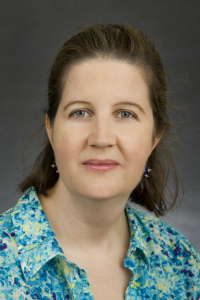
Caryn Evilia
PhD
Department Vice Chair
Professor
BMS
Office: PSC 356 • Pocatello
Ph.D. Biological Chemistry, University of Pennsylvania, 1998
Research area: Biochemistry, Structural Biology, Microbiology, Metagenomics
Student experience required for research: BIOL 1101, 1102, enrolled in 2235/2221; CHEM 1111, 1112, enrolled in CHEM 3301, 3302
Student experience gained from research: Enzyme assays with traditional and non-traditional enzymes, molecular biology, biochemistry and microbiological methods, structural biology instrumentation, bioinformatics, and computer model building.
Ideal preparation for: Professional schools- especially Graduate and Medical school, and the Biotechnology and Pharmacology industries.
Research Focus
My research program focuses on the effects of extreme conditions on microbes, proteins and nucleic acids. In particular, my lab studies the structural adaptations in proteins and the genome, that microbes need to have to survive under these conditions. My lab studies these adaptations through a combination of experimental and computational biochemistry and microbiology, structural biology, and bioinformatics.
Proteins and nucleic acids are very sensitive to their chemical and physical surroundings. Like the organisms from which they are isolated, these molecules tend to function and remain stable over a relatively narrow range of environmental conditions such as temperature, pH, salinity, and pressure.
What those narrow conditions are, however, can vary widely. Most organisms grow best at about 37 oC, under one atmosphere of pressure, with less than 0.1 M salt. But many extremophile microbes do not; some grow in hot springs where the temperatures range from 40 oC to ~100 oC, or in hypersaline environments, such as the Great Salt Lake, where the salinity is over saturation at +250 grams/L total salts. These organisms must have evolved adaptations to maintain the structural integrity of their proteins, nucleic acids, and membranes under these conditions, because non-extremophile proteins rapidly denature and/or lose activity when subjected to them. My lab focuses on adaptations for the extreme halophiles and related organisms, to determine how they survive and thrive in their extreme environment.
Publications
Brininger, C., Spradlin, S., Lori, C., Evilia, C. 2018. “The more adaptive to change, the more likely you are to survive: Protein adaptation in extremophiles”. Seminars in Cell and Developmental Biology, 84, 158-169. DOI: 10.1016/j.semcdb.2017.12.016
Evilia, C. 2018. “Understanding protein adaptations can help us solve real problems”. Seminars in Cell and Developmental Biology, 84, 127-128. DOI: 10.1016/j.semcdb.2018.02.009
S. Spradlin, L. Cobani, C. Brininger, C. Evilia, Book chapter, titled, “Archaea were trailblazers in signaling evolution: Protein adaptation and structural fluidity as a form of intracellular communication”, in Biocommunication in Archaea, Editor: Günther Witzany, Springer International Publishing AG, Cham publishers. DOI: 10.1007/978-3-319-65536-9_12
Hanson, R., Evilia, C., Gilmer, J., Woods, L., Black, B., Flores, R., Pfau, J. C. 2016. “Libby Amphibole-Induced Mesothelial Cell Autoantibodies Bind to Surface Plasminogen and Alter Collagen Matrix Remodeling.” Physiological Reports, 4 (15, e12881), 1-12. DOI: 10.14814/phy2.12881
C. J. Reed, Bushnell, S. C. Evilia. 2014. "Circular dichroism and fluorescence spectroscopy of cysteinyl-tRNA synthetase from Halobacterium salinarum ssp. NRC-1 demonstrates that group I cations are particularly effective in providing structure and stability to this halophilic protein." PLoS ONE, 9 (3), e89452. DOI: 10.1371/journal.pone.0089452. eCollection 2014
Administrative Assistant
Faculty
Professors

Peter P. Sheridan
PhD
Professor
Microbial Biochemistry
BMS
Office: Garrison Hall 607
Research
We study extreme enzymes and the molecular adaptations to extreme environments, microbial diversity, as well as a variety of medically important pathogens.
Teaching
BIOL 4434/4434L Microbial Diversity and Laboratory
BIOL 4437 Biochemistry Laboratory
BIOL 4494 Biochemistry Seminar
BIOL 3358 Genetics
BIOL 6670 Selected Topics in Microbiology: Fundamentals of Fermentation
BIOL 6670 Selected Topics in Microbiology: Food Microbiology
BIOL 6660 Selected Topics in Biochemistry: Enzyme Catalysis and Kinetics
BIOL 6670 Selected Topics in Microbiology: Prokaryotic Genome Annotation
Biographical Sketch
Dr. Sheridan has a wide variety of interests within the fields of Biochemistry, Microbiology, and Bioinformatics. Although a Biochemist at heart, Dr. Sheridan and his students have active research projects encompassing the molecular adaptation of enzymes to extreme conditions (especially cold), the diversity and activity of microbial populations in extreme environments, the production of bioactive compounds by microorganisms that could be useful in industry and biotechnology, and the pathogenesis and control of various disease-causing organisms. Dr. Sheridan has been at Idaho State University since 1991. Outside of his teaching and research interests, Dr. Sheridan enjoys hiking and camping with his family; making beer, cheese, yogurt, and other tasty microbial fermentation products; and anything to do with Celtic music and culture.
Education
1991, M.S. in Microbiology, Rutgers University, New Brunswick, NJ
1984, B.A. Biochemistry, Rutgers University, New Brunswick, NJ
Selected Publications
Park, S.T., A.M. Collingwood, S. St-Hilaire, and P.P. Sheridan. 2014. Inhibition of Batrachochytrium dendrobatidis caused by bacteria isolated from the skin of boreal toads, Anaxyrus (Bufo) boreas boreas, from Grand Teton National Park, Wyoming, USA. Microbiology Insights. 7:1-8.
Liu, T., A. Dean, S. Ashwini, P.P. Sheridan, A. Bhushan, J.C.K. Lai, S. Cao, and C.K. Daniels. 2013. Identification and characterization of a 66-68-kDa protein as a methotrexate-binding protein in murine leukemia L1210 cells. Cell Stress and Chaperones. 18:223-234.
Li, Z., B.R. Briggs, P.P. Sheridan, and M.S. Shields. 2013. An Anion-exchange Method to Concentrate Dissolved DNA from Aquifer Water. Journal of Microbiological Methods. 93:1-8.
Shumway, M.V. and P.P. Sheridan. 2012. Site-directed mutagenesis of a family 42 β-galactosidase from an Antarctic bacterium. International Journal of Biochemistry and Molecular Biology. 3:209-218.
Sheridan, P.P. 2012. Genus XXIII. Rhodoglobus Sheridan, Loveland-Curtze, Miteva and Brenchley 2003, 992VP. in Bergey's Manual of Systematic Bacteriology, 2nd Edition, Volume Five The Actinobacteria, Part A. 964-969.
Associate Professors
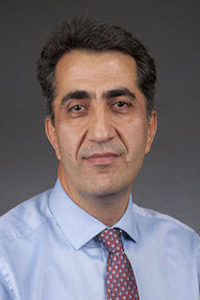
Ali Habashi
PharmD, PhD
Associate Professor
BMS
Office: 257 • Leonard Hall • Pocatello Campus
Pharmaceutical Sciences • Pharmacokinetics
I am interested in exploring the concept of drug-disease interaction, and studying the effect of inflammation, in particular, on the renin-angiotensin system (RAS) at enzyme, peptide, and receptor levels in order to fully understand the underlying mechanisms. In different inflammatory conditions such as rheumatoid arthritis, cancer, diabetes, mental disorders, and Alzheimer disease, patient’s quality of life has been be affected by the deleterious impact of inflammation. Due to extensive involvement of the RAS in the systemic and local regulatory function of different organs and the significant impact of inflammation on the activation of the RAS, the association of the RAS in different pathological conditions has been reported. The RAS consists of two counteracting arms: tissue protective and tissue toxic. Manipulation of the RAS through augmentation of its tissue protective arm by delivering of its peptide homologs seems promising. Peptides have gained increased interest as biological therapeutics during recent years. However, the clinical application of these agents is still limited due to drug delivery challenges. As a pharmaceutical formulation scientist, I have set focuses of my lab on exploring innovative targeted drug delivery systems for effective, safe, and noninvasive delivery of these therapeutic agents for aiming at several serious inflammatory conditions that RAS involved in their pathology.
My interests include: Basic Pharmacokinetics and Pharmaceutical calculations, Pharmacotherapy, Current Topics in Pharmaceutics and Drug delivery, Principles of Biopharmaceutical Analysis, Responsible Conduct in Research, Physiochemical Basis of Drug Action, Critical Literature Evaluation
Select Papers
Biwash Ghimire, Pradeep Giri, Susan Tavernier, Sarah E. Hobdey and Ali Aghazadeh-Habashi*, Exploratory Analysis of Plasma Angiotensin-Converting Enzyme 2andAngiotensin Peptides as Candidate Discriminatory Signals in Breast Cancer: A Pilot Case–Control Study, Biomedicines 2026, 14, 1086, https://doi.org/10.3390/biomedicines14051086
Biwash Ghimire, Pradeep Giri, Sameena Mateen, Srinath Pashikanti, Ali Aghazadeh-Habashi*, Comparative Bioavailability Study of Jaspine B: Impact of Nano-Liposomal Drug Delivery System on Pharmacokinetics, Pharmaceutics 2025, 17(7), 807; https://doi.org/10.3390/pharmaceutics17070807
Ghimire, B., Khajehpour, S., Middleton, E., Campbell, R.A., Nies, M., & Aghazadeh-Habashi*, A. Renin-Angiotensin System Components and Arachidonic Acid Metabolites as Biomarkers of COVID-19. Biomedicines 2023, 11(8), 2118; https://doi.org/10.3390/biomedicines11082118
Sana Khajeh Pour, Arina Ranjit, Emma, L. Summerill, Ali Aghazadeh-Habashi, Anti-inflammatory Effects of Ang-(1-7) Bone-Targeting Conjugate in an Adjuvant-induced Arthritis Rat Model, Pharmaceuticals 2022, 15(9), 1157; https://doi.org/10.3390/ph15091157
Sana Khajeh Pour, Sameena Mateen, Srinath Pashikanti, Jared J. Barrott, and Ali Aghazadeh-Habashi, Formulation, Characterization, and In vitro/In vivo Efficacy Studies of a Novel Liposomal Drug Delivery System of Amphiphilic Jaspine B for Treatment of Synovial Sarcoma. Mar. Drugs 2022, 20(8), 509; https://doi.org/10.3390/md20080509 - 10 Aug 2022
Khajeh Pour, S., Scoville, C., Tavernier, S.S., Ali Aghazadeh-Habashi. Plasma angiotensin peptides as biomarkers of rheumatoid arthritis are correlated with anti-ACE2 auto-antibody levels and disease intensity. Inflammopharmacol 30, 1295–1302 (2022). https://doi.org/10.1007/s10787-022-01008-9
Pavek, A., Nartker, C., Saleh, M., Kirkham, M., Khajeh Pour, S., Aghazadeh-Habashi, A., Barrott, J. J., 2021. Tissue Engineering Through 3D Bioprinting to Recreate and Study Bone Disease. Biomedicines 9, 551. https://doi.org/10.3390/biomedicines9050551
Past Trainee's
Sana Khajeh Pour, Senior Clinical Pharmacologist, AbbVie, Pharmaceutical Manufacturing, North Chicago, Illinois
Arina Ranjit, Bioanalytical Scientist, Tract BioBiotechnology Research, Charlotte, North Carolina
Biwash Ghimire, Postdoctoral Research Scholar, Dr. Kevin P. Campbell Lab, Department of Molecular Physiology and Biophysics, Carver College of Medicine, University of Iowa, Iowa City, Iowa
Active Grants and/or Previous Grants
R16GM154736, SuRE-First NIH (8/05/2025 - 6/30/2029, $716,607), Modulation of Breast Cancer Metastasis Using Bone-Targeted Delivery of a Small Anti-Cancer Peptide, PI
Midwestern University’s Faculty Seed Grant Program for Prioritized Extramural Grant Pilot Projects (07/01/2025-06/30/2027, $20,000), Reinventing Ang-(1-7): A Long-Lasting Bisphosphonate-Conjugated Analog for Targeted Aortic Aneurysm Intervention, Co-PI
Hiring Graduate Students/ Post-Docs/ Lab Assistants
Yes
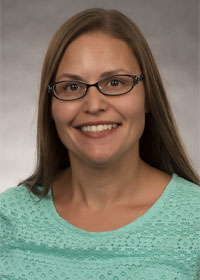
Julia E. Martin
PhD
Associate Professor
Microbiology & Biochemistry
BMS
Office: Life Sciences 329
Research
We study the physiological underpinnings and molecular mechanisms of how cells regulate transition metal ion homeostasis and detoxification in the major human respiratory pathogen Streptococcus pneumoniae.
Teaching
Biographical Sketch
Professor Martin joined the Biological Sciences Department in 2017. Her research interests encompass the molecular mechanisms of infectious disease. Current research in her lab employs various techniques and approaches that span the interface between classical microbiology, molecular genetics, biochemistry, chemical biology, and biophysical chemistry that together address significant questions regarding transition metal ion homeostasis and virulence of bacteria, including the major human respiratory pathogen Streptococcus pneumoniae. Work is ongoing in three project areas: 1) the mechanisms of manganese-mediated toxicity; 2) the regulation of manganese efflux; and 3) the structural and functional characterization of the manganese-specific cation diffusion facilitator transporter MntE. These studies will provide novel insights into the processes that enable bacterial pathogens to cause disease in invertebrate hosts, and will ultimately help in the development of new antimicrobial agents to combat drug-resistant bacterial pathogens, an increasingly urgent problem for the public health sector.
Education
2008, M.S. Microbiology, University of Illinois, Urbana, IL
2006, M.S. Biology, California State University, Northridge, CA
Selected Publications
Julia E. Martin, Katherine A. Edmonds, Kevin E. Bruce, Gregory C. Campanello, Bart A. Eijkelkamp, Erin B. Brazel, Christopher A. McDevitt, Malcolm E. Winkler, and David P. Giedroc. (2017) The zinc efflux activator SczA protects Streptococcus pneumoniae serotype 2 D39 from intracellular zinc toxicity. Mol. Microbiol. 104(4):636-651. doi: 10.1111/mmi.13654.
Julia E. Martin, John P. Lisher, Malcolm E. Winkler, and David P. Giedroc. (2017) Perturbations in manganese metabolism disrupts cell division in Streptococcus pneumoniae. Mol. Microbiol. 104(2):334-348. doi: 10.1111/mmi.13630.
John P. Lisher, Ho-Ching Tiffany Tsui, Smirla Ramos-Montañez, Kristy L. Hentchel, Julia E. Martin, Jonathan C. Trinidad, Malcolm E. Winkler, and David P. Giedroc. (2017) Biological and chemical adaptation to endogenous hydrogen peroxide production in Streptococcus pneumoniae D39. mSphere. 2(1): e00291-00216. doi: 10.1128/mSphere.00291-16.
Julia E. Martin and David P. Giedroc. (2016) Functional determinants of metal ion transport and selectivity in paralogous cation diffusion facilitator transporters CzcD and MntE in Streptococcus pneumoniae. J. Bacteriol. 198(7):1066-76. doi: 10.1128/JB.00975-15.
Feng-Ming Chang, Julia E. Martin, David P. Giedroc. (2015) Electrostatic occlusion and quaternary structural ion pairing are key determinants of Cu(I)-mediated allostery in the copper-sensing operon repressor (CsoR). Biochem. 54(15):2463-72. doi: 10.1021/acs.biochem.5b00154.
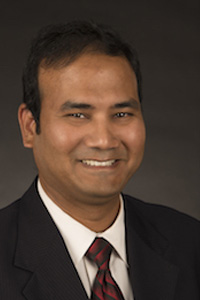
Srinath Pashikanti
PhD
Associate Professor
BMS
Office: 250 A • Leonard Hall • Pocatello Campus
Synthetic Medicinal Chemistry • Protein Biochemistry • Bioanalytical Chemistry
Dr. Pashikanti has an MS degree in Chemistry & Biochemistry from South Dakota State University, an MS and Ph.D. in Medicinal Chemistry from The University of Kansas. Pashikanti Lab utilizes organic chemistry towards synthesis of cell permeable medicinally active analogs. Our current efforts are aimed to develop, synthesize and screen small molecules in targeting ceramide metabolizing enzymes. Ceramide is a bioactive sphingolipid that exhibits anticancer properties in cancer cells. Strategies aimed at increasing the cellular ceramide induce apoptosis in cancer cells. To complement our synthetic efforts, we utilize tools for protein biochemistry to perform in vitro experiments and cell-based assays in determining the biological activity of these analogs in a structure-activity relationship model.
He is an assistant professor in the Biomedical and Pharmaceutical Sciences Department. He is actively involved in mentoring graduate and professional pharmacy students. His didactics include Principles of Drug Design and Drug Action, Physicochemical Basis of Drug Action, Principles of Biopharmaceutical Analysis, Advanced Organic Synthesis, Dissertation Research, Thesis Research, Independent Problems in Pharmaceutical Sciences, Pharmaceutical Science Research.
Select Papers
Pashikanti S, de Alba DR, Boissonneault GA, Cervantes-Laurean D. Rutin metabolites: novel inhibitors of nonoxidative advanced glycation end products. Free Radic Biol Med. 2010 Mar 1;48(5):656-63. PubMed PMID: 19969069.
Tao A, Huang Y, Shinohara Y, Caylor ML, Pashikanti S, Xu D. ezCADD: A Rapid 2D/3D Visualization-Enabled Web Modeling Environment for Democratizing Computer-Aided Drug Design. J Chem Inf Model. 2019 Jan 28;59(1):18-24. PubMed Central PMCID: PMC6351978.
Anibogwu R, Jesus K, Pradhan S, Pashikanti S, Mateen S, Sharma K. Extraction, Isolation and Characterization of Bioactive Compounds from Artemisia and Their Biological Significance: A Review. Molecules. 2021 Nov 19;26(22) PubMed Central PMCID: PMC8618776.
Pashikanti S, Ukani R, David SA, Datta A. Total Synthesis and Structure–Activity Relationship Studies of the Cytotoxic Anhydrophytosphingosine Jaspine B (Pachastrissamine). Synthesis. 2017 May; 49(09):2088. Available from: https://www.thieme-connect.com/products/ejournals/abstract/10.1055/s-0036-1588118 DOI: DOI: 10.1055/s-0036-1588118
Past Trainee's
| Students | Year | Institution |
| Farjana Afrin – Ph.D. Track | Graduated Fall 2024 | Biomedical and Pharmaceutical Sciences, ISU. |
| Jordan Oman – Ph.D. Track | 2025 Fall expected graduation | Biomedical and Pharmaceutical Sciences, ISU. |
| Sameena Mateen – Ph.D. Track | 2025 Fall expected graduation | Biomedical and Pharmaceutical Sciences, ISU. |
Active Grants and/or Previous Grants
09/2024 Role: PI. National Institutes of Health – SuRE First R16 – Inducing Apoptosis in Castration-Resistant Prostate Cancer by Targeting SMS1, Amount: $697,563.
05/2023 - 04/2025 Role: PI. University of Idaho, INBRE – NIH funding, Design, Synthesis of Novel Ascorbate Analogs Potentiating α9α10 Nicotinic Acetylcholine Receptors of Medial Olivocochlear System (MOCS), $142,500 (Active).
03/2023 – 09/2024 Role: PI. American Association of Colleges of Pharmacy (AACP), Mitochondrial Membrane disruption using Sphingoid Probes in Cancer Cells. $ 8,500 (Active).
01/2023 – 06/2023 Role: Co-PI. Idaho Health Department and Welfare, Center for Disease Control, Mitigating COVID-19 by educating High-Risk Populations, Underserved Communities, and hearing impaired in and around Bannock County, ID. $14,684.
05/2023 Travel Award, Office of Research, Idaho State University, DEPSCoR Day at Montana State University, MT. $2,500
06/2022 Role: PI. University of Idaho, COBRE: P20GM104420, Data Access Grant (DAG) Chemdraw Professional – Perpetual License, $3,700.
01/2021 – 12/2022 Role: Co-PI. Idaho Health Department and Welfare, Center for Disease Control, Mitigating COVID-19 by educating High-Risk Populations and Underserved Communities in and around Bannock County, ID. $17,301.
01/2021 – 12/2024 Role: Co-PI. National Science Foundation, Acquisition of a 400 MHz Nuclear Magnetic Resonance (NMR) Spectrometer at Idaho State University, Award # 2019074, $329,085 (Active).
01/2022 – 12/2022 Role: PI. Center for Advanced Energy Studies – Idaho National Laboratory – Idaho State University, Incorporation of Sterics in novel Phosphonium Ionic Liquid (PIL) and their effect on Ligand Intermolecular Interactions and Chelation Properties. $21,213.
01/2021 – 12/2021 Role: PI. Center for Advanced Energy Studies – Idaho National Laboratory – Idaho State University, Synthesis of Conformationally Rigid Phosphonium Ligands for Extraction of Cobalt, $15,742.
01/2019 – 12/2021 Role: Co-PI. Elsa U. Pardee Foundation, Targeting sphingolipid metabolism in synovial sarcoma, $98,511.
02/2019 Role: PI. HERC Undergraduate Strategic Initiatives Grant – STEM, Office of Research, Idaho State University, Pocatello, ID. $2,400.
2019 -2021 Role: PI. Office of Research, Idaho State University, Pocatello, ID. Discovery, Synthesis of probes targeting Sphingomyelin Synthase, a crucial enzyme involved in ceramide metabolism, $12,218.
2018 Role: PI. Teaching aid for three-dimensional visualization of medicines and macromolecules in Pharm. D., BPSci graduate programs. Kasiska Division of Health Sciences, College of Pharmacy, Idaho State University, Pocatello, ID. $932.
7/2017 – 6/2018 Role: PI. Synthesis of Chiral Aminobutenolide : A versatile building block, Career Path Internship, College of Pharmacy, Idaho State University, ID. (Role: PI), $3,500.
Grants submitted for external funding – Received Reviewers Comments. Reference: ISU Office of Research – CAYUSE system
Hiring Graduate Students/ Post-Docs/ Lab Assistants
Yes
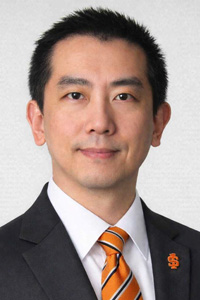
"Danny" Dong Xu
PhD, MS
Associate Professor
Director of Graduate Programs
Director of Computational Core Facility
Director of Zebrafish Core Facility
BMS
Office: 752 • Sam and Aline Skaggs Health Science Center • Meridian Campus
Drug Discovery • Drug Toxicity • Pharmacology • Biomedical Informatics
Xu Research Lab Website: http://www.dxulab.org/
The overarching goal of Xu Drug Discovery Lab is to address unmet medical and health science needs using state-of-the-art computational and experimental technologies.
Specific research areas are:
- Drug Discovery (Computer-Accelerated Drug Repurposing and Screening);
- Drug-Induced Toxicity Prediction and Prevention;
- Web-Based and Cloud BioComputing Software Development.
Assistant Professors
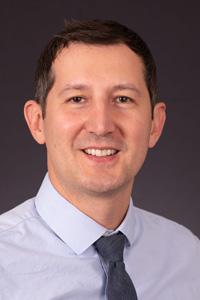
Jesse Jones
PharmD, PhD
Assistant Professor
BMS
Office: 254 • Leonard Hall • Pocatello Campus
Biological Chemistry • Biomedical Engineering • Pharmaceutical Sciences • Protein Biochemistry • Synthetic Biology
Dr. Jones earned a B.S. degree from Boise State University (Boise, ID), a Pharm.D. from Idaho State University (Meridian, ID), and a Ph.D. in Pharmaceutical Sciences from University of Tennessee Health Science Center (Memphis, TN). He completed a postdoctoral research fellowship at University of Michigan School of Medicine (Ann Arbor, MI) in Biomedical Engineering and Biological Chemistry.
Dr. Jones’ research program focuses on the development of targeted therapeutics and includes an interdisciplinary approach spanning biological chemistry, drug discovery, molecular pharmaceutics, and synthetic biology. Dr. Jones employs a multi-faceted approach, using classical drug discovery methods to characterize and validate specific enzymes, such as bacterial topoisomerase I, as well as structural proteins, such as herpes virus capsid proteins, to develop targeted, narrow-spectrum antimicrobial therapeutics. Dr. Jones also employs advanced synthetic biology methods including the discovery, characterization, and advanced engineering of protein nanocompartments, such as bacterial encapsulins and viral capsids, to develop targeted drug, nanoreactor, and living therapeutic delivery platforms.

Kumari Kavita Sharma
PhD
Assistant Professor
BMS
Office: 253 • Leonard Hall • Pocatello Campus
Bioanalytical Chemistry • Natural Products • Pharmaceutical Sciences • Fundamentals of
Pharmacology and Biological Assays
Kavita Sharma is an Assistant Professor in the Department of Biomedical and Pharmaceutical Sciences at the College of Pharmacy, Idaho State University. She earned her PhD in Molecular Biotechnology from Konkuk University in South Korea.
An experienced researcher specializing in mass spectrometry, Dr. Sharma is deeply involved in metabolomics and proteomics studies. She has pioneered methodologies and workflows for analyzing complex metabolites and peptides from diverse matrices, including tissues, blood, serum, plasma, drugs, medicinal plant extracts, and intracellular and extracellular microbial cultures. She teaches PharmD and graduate students about Physicochemical Basis of Drug Action, Musculoskeletal Module, Endocrine Module, Critical Literature Review, and Principle of Biopharmaceutical Analysis. Dr. Sharma is an active advisor to the molecular research and core facility at ISU. Her specific research interests include identifying, isolating, and characterizing bioactive compounds from natural products. Additionally, Dr. Sharma is interested in conducting molecular-level studies to identify the impact of GABA-producing microbiota on healthy aging and neurodegenerative diseases such as Alzheimer’s disease. Specifically, her research focuses on identifying biomarker metabolites and proteins to gain mechanistic insights into the underexplored role of probiotics in aging-associated risk factors.
Dr. Sharma's research involves using advanced mass spectrometry techniques to identify and quantify metabolites and proteins that are associated with the beneficial effects of GABA-producing probiotics. She is also investigating the molecular mechanisms by which these probiotics exert their effects, such as by modulating inflammation, oxidative stress, and neurotransmitter levels. By understanding these mechanisms, Dr. Sharma hopes to develop novel probiotic therapies for the prevention and treatment of age-related diseases.
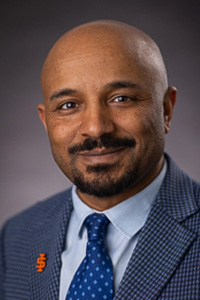
Solomon Tadesse Zeleke
BPharm, MSc, PhD
Assistant Professor
BMS
Office: 255 • Leonard Hall • Pocatello Campus
Drug Discovery & Development • Medicinal Chemistry • Chemical Biology • Pharmacognosy • Ethnopharmacology • Computational and AI-Driven Drug Discovery
Dr. Solomon Tadesse Zeleke earned his Ph.D. in Medicinal Chemistry and Drug Development from the University of South Australia. He holds a Bachelor of Pharmacy (B.Pharm) and an M.Sc. in Pharmacognosy and Natural Product–Based Drug Discovery. Dr. Zeleke completed postdoctoral training at both the University of South Australia and the Moffitt Cancer Center in Florida, USA. He has led multidisciplinary research and mentorship initiatives across the United States, Australia, Africa, and Europe, focusing on the discovery and development of small-molecule kinase inhibitors for cancer therapy. Dr. Zeleke is also a recipient of the prestigious Alexander von Humboldt Fellowship, awarded by the German government, in recognition of his international contributions to medicinal chemistry and cancer drug discovery.
Dr. Zeleke’s research focuses on drug discovery and development. His work involves the design, synthesis, and evaluation of small-molecule therapeutics targeting cyclin-dependent kinases (CDKs) and related pathways that drive cancer. He has identified novel CDK4-, CDK4/6-, and CDK12-selective inhibitors, including compounds that have advanced to clinical trials. His laboratory uses computational and AI-driven drug discovery methods, drug design, natural product–inspired chemistry, and structure-guided synthesis to elucidate molecular mechanisms governing kinase selectivity and resistance. Current efforts focus on developing next-generation CDK-selective inhibitors and molecular-glue degraders to overcome therapeutic resistance in cancer, while exploring bioactive compounds from medicinal plants as promising lead structures.
Past Trainee's
PharmD Students
Undergraduate Students/Summer Research Mentoring/Advising
Angel De Acros, ISU, Health Sciences 2025 Laboratory Research Intern
Abigail Couch, ISU, Health Sciences 2025 Laboratory Research Intern
Fatemeh Mehrabi, Biological Sciences 2026 Laboratory Research Intern
Aalok K C, ISU, Biological Sciences 2026 Laboratory Research Intern
Aidan Nyanhamo, BYU-I, Biology 2024 Laboratory Research Intern
Angela Hayden, ISU, Chemistry 2024 Laboratory Research Intern
Postgraduate Students (PhD in Medicinal Chemistry):
Dr Nishat Khair, 2017 - 2019 Currently, Assistant Professor at BRAC University
Active Grants and/or Previous Grants
Zeleke S (PI, 07/01/2026 – 04/30/2030) Mechanism-Driven Development of CDK2/4/6 Inhibitors to Combat Resistance and Broaden the Clinical Reach of CDK Inhibitors. National Institutes of Health. $680,000.
Zeleke S (PI, 08/01/2026 – 07/31/2028) Harnessing Artificial Intelligence and Conventional Drug Discovery to Develop Dual Mechanism Molecules Targeting DNA Repair and Transcription in Osteosarcoma. Department of Defense. $140,000.
Zeleke S (PI, 07/01/2026 – 06/20/2027) Artificial Intelligence Guided Discovery of Dual Mechanism Cyclin-Dependent Kinase 12 (CDK12)/Cyclin K Modulators for Targeted Osteosarcoma Therapy. The State Board of Education, Idaho. $100,000.
Zeleke S (PI, 2024) Integrated Structure- and Ligand-Based Design Approach for Identification of Novel Cyclin-Dependent Kinase 11 (CDK11) Selective Inhibitors for Potential Treatment of Osteosarcoma. Idaho State University Internal Grant. 5/1/2024 – 6/30/2025. Idaho. USA. $20,000.
Zeleke S (PI, 2023) Startup Grant. Idaho State University College of Pharmacy. 1/7/2023 – 6/30/2026. Idaho. USA. $250,000.
Monastyrskyi A (PI), Tadesse S (Investigator) (2020). Irreversible Targeting of the CDK12 Active Site Tyrosine Residue for Treatment of Brain Metastatic Breast Cancers. Florida Breast Cancer Foundation. USA. $250,000.
Tadesse S (PI, 2021) E-MedP-A Curated Database of Endemic Medicinal Plants of Ethiopia: Ethnopharmacology, Chemistry and Biological Activities. Research and Technology Transfer Office of Addis Ababa University. Ethiopia. ETB 100,000.
Tadesse S (PI, 2013). Evaluation of the Hypoglycaemic Effects of Ethiopian Traditional Medicinal Plants. Science & Technology Minister. Ethiopia. ETB 100,000.
Hiring Graduate Students/ Post-Docs/ Lab Assistants
Yes
Clinical Associate Professors

"Rob" Robert Myers
RPh, PhD
Clinical Assistant Professor
BMS
Compounding • Dosage Forms • Pharmaceutics • Pharmaceutical Development
Dr. Myers has a BS degree in Pharmacy, a MS degree in Pharmaceutical Chemistry and a PhD in Pharmaceutical Chemistry from the University of Kansas. He is licensed as a Registered Pharmacist in the state of Idaho. With experience in academic teaching, retail pharmacy, pharmacy compounding, regulatory affairs, and pharmaceutical development/manufacturing, Dr. Myers holds a unique view of pharmaceutical products, their development, and regulatory approval. His experience includes developing and evaluating a variety of drug products including: various ophthalmic products, inhalation solutions, sterile injections, suspensions, delayed release capsules, dry powder inhalers, and nasal sprays.
Dr. Myers has more than 25 years of experience in the pharmaceutical industry focused mainly on activities dealing with Chemistry, Manufacturing, and Controls (CMC) issues for IND, NDA, and ANDA submissions. His activities have been mainly focused on: pre-formulation, formulation, scale-up, process development, pharmaceutical product safety data sheets (SDS), health hazard assessments, regulatory submission authoring and project planning. He has interacted with the FDA on various CMC issues at various development stages in face-to-face meetings, telephone conferences, and written communications. Dr. Myers also has more than 12 years of experience working as a compounding pharmacist and is the co-owner of a 503B Outsourcing Facility.
He is an assistant professor in the Biomedical & Pharmaceutical Sciences Department. His teaching responsibilities include dosage form design, compounding, pharmaceutical calculations, pharmacokinetics, and portions of modules and Capstone. Dr. Myers also oversees the extemporaneous compounding lab.
Research Assistant Professors

Sarah Hobdey
PhD
Research Assistant Professor
BMS
Dr. Hobdey earned her B.S. in Microbiology from Idaho State University, where she also competed on the Women’s Soccer team. She went on to obtain her Ph.D. in Biochemistry and Molecular Biology from Colorado State University and completed postdoctoral training at the National Renewable Energy Laboratory before returning home to Idaho. Dr. Hobdey's research is focused on the development of novel therapies and diagnostics for life-threatening necrotizing soft tissue infections (NSTIs). In progress towards that goal, she and her team have developed three patent-pending fully human monoclonal antibodies capable of neutralizing streptolysin O, a key toxin produced by Group A Streptococcus. In addition to her role at Idaho State University, Dr. Hobdey is an Associate Research Scientist at the Boise VA Medical Center, where she maintains an active research laboratory.
Select Papers
https://www.ncbi.nlm.nih.gov/myncbi/sarah.hobdey.1/bibliography/public/
Past Trainee's
Postdoctoral Fellows
Graduate Students
Undergraduate Students
Other Past and Current Team Members
Active Grants and/or Previous Grants
Idaho CTRD (Hobdey, Project Lead), NIH-NIGMS P20GM155959, 9/1/26-8/31/28, Advancing a First-in-Class Antitoxin Monoclonal Antibody Therapy for Severe Group A Streptococcal Infections: Foundational Studies Toward IND Readiness
Idaho INBRE DRP (Hobdey, Project Lead), NIH NIGMS P20GM103408, 5/2024-8/2026, Generation of fully human recombinant antitoxin antibodies for the treatment of necrotizing infections
Paratek Pharmaceuticals (Hobdey, PI), Investigating the Effects of Omadacycline on the Microbiome in a Murine Model of Secondary
MRSA Pneumonia
Hiring Graduate Students/ Post-Docs/ Lab Assistants
Not hiring at this time.
Post-Doctoral Fellows
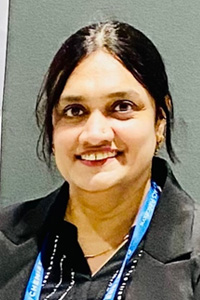
Sameena Mateen
Post-Doctoral Fellow
Idaho State University
BMS
Office: 128F • Leonard Hall • Pocatello Campus
Research Interests:
Drug Discovery, Medicinal Chemistry, Design and Synthesis, in Vivo Screening, and Instrumental Analysis.
Graduate Students
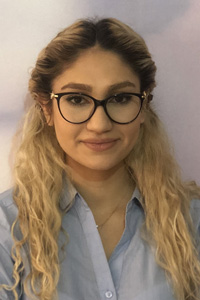
Seyedeh Melika Akaberi
PharmD
BMS
Dr. Akaberi is a Research Assistant Professor and Lecturer in the Department of Biomedical and Pharmaceutical Sciences at Idaho State University. She is currently pursuing a Ph.D. in Biomedical and Pharmaceutical Sciences under the mentorship of Dr. Marvin Schulte and Dr.Kavita Sharma. Her research focuses on the interaction between viral proteins and nicotinic acetylcholine receptors, aiming to advance understanding of virus-mediated neurological disorders and support the development of preventative therapeutic strategies for neurodegenerative diseases.
Dr. Akaberi earned her Doctor of Pharmacy (PharmD) from Azad University, Tehran Medical Sciences, where she conducted research on biologic therapies for dermatologic and wound healing applications. Her multidisciplinary research portfolio spans molecular pharmacology, neuropharmacology, skin biology, and drug development, and she has co-authored several peer-reviewed publications in both clinical and basic science journals.
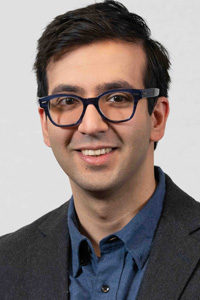
Sina Dehestani
PharmD, MS
BMS
Office: 128F • Leonard Hall • Pocatello Campus
I belong to a generation of pharmacists bridging pharmacokinetic findings into potential clinical impacts, with a
background in formulation design and targeted drug delivery. Proficient in dosage form design,
pharmacokinetics, and clinical writing, with hands-on experience in Non-Compartmental analysis, clinical
Evaluation Reports, Clinical Evaluation Plans, and Post-Market Clinical Follow-up documentation.

Xiaohan Fu
BMS
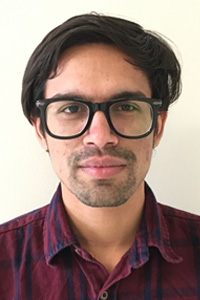
Pradeep Giri
PhD Student, Advisor: Dr. Ali A. Habashi
BMS
Research Interests:
Drug formulation and Delivery, Pharmacokinetic and Pharmacodynamic Study, 3D Bioprinting in tissue engineering and disease modeling.
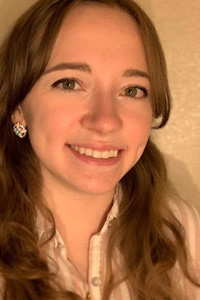
Elizabeth Kara
PhD Student, Advisor: Dr. Danny Xu
BMS
Research Interests:
Early phase drug discovery and development, as well as behavioral neurosciences.
Joeseph King
BMS
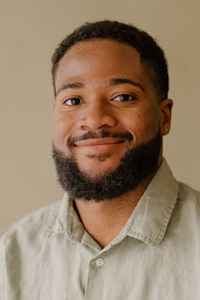
Jamison Lee
PhD Student, Advisor: Dr. Jesse Jones
BMS
Research Interests:
Zebrafish PTSD Behavioral Studies, Neuroscience
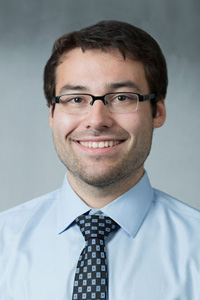
Christopher Nicolet
PharmD
Lecturer
PPRA
Office: 750 • Sam and Aline Skaggs Health Science Center • Meridian Campus
Dr. Christopher Nicolet is a lecturer in the Department of Pharmacy Practice and Administrative Sciences at the L.S. Skaggs College of Pharmacy in Meridian.
He earned his BS in Chemistry in 2017 and taught introductory chemistry laboratory courses at the University of Alaska Anchorage before pursuing a career in pharmacy. In 2019, he was accepted into the UAA/ISU Doctor of Pharmacy program and enrolled in the dual PharmD/PhD program in pharmaceutical sciences under the supervision of Dr. Danny Xu. After graduating from the PharmD program in 2023, he moved to Meridian to continue his PhD research, focusing on identifying lead compounds that could be used to prevent drug-induced hearing loss. Through this work, he has gained experience in AI-driven protein modeling, machine learning, molecular dynamic simulation, drug repurposing, and biomedical informatics.
In addition to his research, he helps coordinate the Intro to Pharmacotherapy and Problem-Based Learning courses and delivers various lectures to student pharmacists throughout the didactic portion of the PharmD curriculum. His professional interests include drug discovery, the pharmaceutical industry, academia, and interdisciplinary education in pharmacy practice and pharmaceutical sciences.
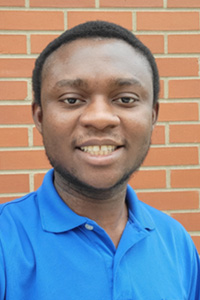
Anyauba A Nmaju
PhD student, Advisor: Dr. Sarah Hobdey
BMS
Thesis Title:
Characterizing a new therapeutic strategy for the treatment of necrotizing soft tissue infections caused by Group A Streptococcus.
Research Interests:
Our lab is at the forefront of developing novel immunotherapeutic approaches to manage Necrotizing soft tissue infections. Our research is concentrated on several areas of expertise such as Infectious diseases, Immunology, Molecular Biology, Structural Biology, Bioinformatics, and Pharmacokinetics. We are determined to find a breakthrough solution that will revolutionize the treatment of this debilitating condition.
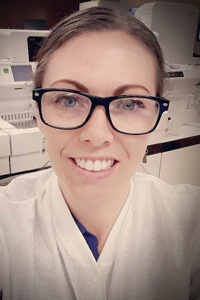
Nikole O’Neal
PhD Student, Advisor: Research-Dr. Jared Barrott, BYU: Academic-Dr. Ali Habashi
BMS
Thesis Title:
Optical Genome Mapping (OGM) for enhancing diagnostics and genetic research for patients with cancer and germline diseases.
Research Interests:
Pharmacogenomics, pathology, cancer biology, biospecimen management, laboratory sciences.
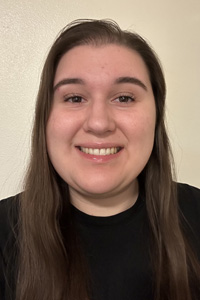
Liliana Rodriguez
BMS
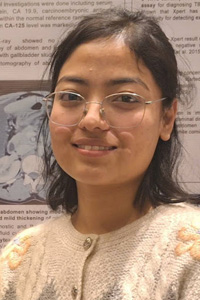
Janhabee Shrestha
Master’s Student, Advisor: Dr. Solomon Zeleke
BMS
Research Interests:
Drug discovery

Alumni
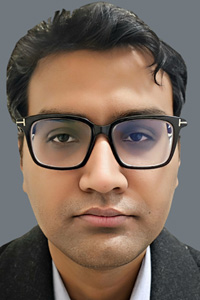
Biwash Ghimire
Post-Doctoral Fellow
University of Iowa
Office: Eames Complex
Thesis Title:
A comprehensive study on synthesis, formulation, characterization, and therapeutic potential of a novel Angiotensin 1-7 analogue.
Research Interests:
My research interests include drug formulation and delivery of peptidomimetics. My study focuses on the improvement of pharmacokinetics and pharmacodynamic properties of small molecules and peptides by formulation of liposomes and lipid nanoparticles, with an emphasis on Renin Angiotensin System.
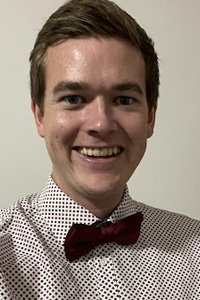
Jordan Oman
Post-Doctoral Fellow
Northeastern University
Thesis Title:
Synthesis of Vitamin C Analogs as Positive Allosteric Modulators (PAMs) of a9a10 Nicotinic Cholinergic Receptors for the Treatment of Hearing Loss
Research Interests:
Synthesis of natural products, Synthesis of small molecules targeting nicotinic receptors, Drug discovery
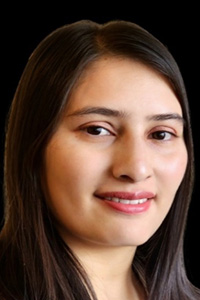
Pooja Sapkota
Post-Doctoral Fellow
University of Iowa
Thesis Title:
Discovery of Positive Allosteric Modulators of alpha9/alpha 10 nicotinic acetylcholine receptors for the treatment of hearing loss.
Research Interests:
Our lab specializes in neuroscience research, primarily focusing on the investigation of ligand-gated ion channels, with a particular emphasis on nicotinic receptors. My study is directed towards examining modulators of these receptors, aiming to identify potential therapeutic targets, in conditions such as Hearing Loss and Alzheimer’s Disease. My areas involve electrophysiology, binding assays, and protein extraction.
Affiliate Faculty
Mary Cloud B. Ammons
PhD
Allied Faculty
Research Scientist
marycloud.ammonsanderson@va.gov
Dr. Ammons is currently a Research Scientist at the Boise VA Medical Center and specializes in molecular immunology. Dr. Ammons’ background includes research investigating metabolic drivers of innate immune regulation, host-pathogen interactions, and bacterial biofilm formation. Over the course of her career, she has worked with both private and public sector to better understand the complex biology of non-healing wounds with the long-term goal of developing better diagnostics and therapeutics to improve care of recalcitrant wounds such as diabetic foot ulcers and pressure ulcers. Dr. Ammons received her BA in biology from the University of Colorado – Boulder and her PhD from Montana State University – Bozeman.
Jared Barrott
PhD
Affiliate Faculty
BMS
Genetics/Epigenetics • Cancer Pharmacology
The Barrott Lab focuses on cancer pharmacology by understanding the biology behind cancer initiation and progression. The lab uses genetically engineered mouse models (GEMMs) to test novel therapies that target the cancer’s vulnerabilities. My interests include: Cellular high throughput drug screening, cellular biology, genetics, pharmacogenetics, research design and data analysis. Some infectious disease, especially in the field of virology. Cancer biology and pharmacology.
In my lab, we focus on rare sarcomas that typically arise in pediatric patients. These cancers of the connective tissues are commonly driven by chromosomal translocations, that are powerful epigenetic reprogrammers that can transform normal muscle, cartilage, and bone cells to become cancerous. I use biochemistry and genetics to understand the events that surround cellular transformation in order to better understand where the cancer cell is vulnerable. Using targeted therapies we aim to reduce the primary tumor and eliminate the metastatic burden, while doing the least harm to normal tissues. I have three mouse models of sarcoma in which I can test various anti-cancer therapies to provide a rationale for clinical human testing. The three sarcomas that we study are synovial sarcoma, alveolar soft part sarcoma, and osteosarcoma. In these transgenic mice we can control the spatial and temporal expression of oncogenes that drive the sarcomas.

Marvin Schulte
PhD
Affiliate Faculty
BMS
Fundamentals of Pharmacology • CNS and ANS Pharmacology • General Biochemistry • Advanced Protein Structure and Function • Membrane Biophysics
Marvin Schulte is Chair and a Professor in the Department of Biomedical and Pharmaceutical Sciences at Idaho State University College of Pharmacy. He earned his B.S. degree at St. John’s University in Collegeville, MN and his Ph.D. at the University of Minnesota, Minneapolis, MN in the Department of Biochemistry. Dr. Schulte has held faculty positions at several universities including Louisiana State University College of Pharmacy, Monroe, LA; The University of Alaska, Fairbanks, AK; and University of the Sciences, Philadelphia College of Pharmacy, Philadelphia, PA. He was department chair for 5 years at the Philadelphia College of Pharmacy prior to joining the faculty at the ISU College of Pharmacy.
Schulte has published numerous peer-reviewed publications and has received NIH, NSF and American Heart Association funding for his research focused on the structure and function of ligand gated ion channel receptors. Specific areas of interest include nicotinic receptor modulation, serotonin type 3 receptors in depression, development of new strategies for the treatment of clinical rabies, new drug development for obsessive-compulsive disorders, and other related areas. Dr. Schulte’s laboratory provides training and research experiences to students at all academic levels including high school, undergraduate, graduate and post-doctoral.

Kent Vrana
PhD, FAAAS, FASPET
Affiliate Faculty
BMS
kvrana@pennstatehealth.psu.edu
Pennsylvania State University College of Medicine
Lecturers
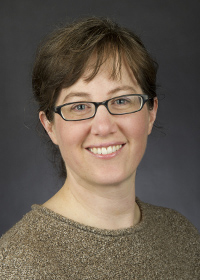
Jennifer Abbruzzese
MS
Associate Lecturer
Introductory Biology Education
BMS
Office: Life Sciences 210
Education
1996, B.A. Biology, Utah State University, Logan, UT
Biographical Sketch
Ms. Abbruzzese has been an Assistant Lecturer in the Department of Biological Sciences at Idaho State University since 2012. Before coming to ISU, Abbruzzese worked as a Research Associate at the Nora Eccles Cardiovascular Research and Training Institute at the University of Utah. Abbruzzese received her Bachelor of Arts and Master of Science in Biology from Utah State University. Much of her training and research experience has involved the study of voltage-gated ion channels. Structure/function relationships, channelopathies, and drug development were a major focus of these studies.
Teaching
BIOL 2206 - Cell Biology
BIOL 2207L - Cell Biology Laboratory
Selected Publications
Marzian, S., P. J. Stansfeld, M. Rapedius, S. Rinne, E. Nematian-Ardestani, J. L. Abbruzzese, K. Steinmeyer, M. S. Sansom, M. C. Sanguinetti, T. Baukrowitz, and N. Decher. 2013. Side pockets provide the basis for a new mechanism of Kv channel-specific inhibition. Nature Chemical Biology 9(8):507-13.
Grunnet, M., J. Abbruzzese, F.B. Sachse, and M.C. Sanguinetti. 2011. Molecular determinants of human ether-á-go-go-related gene 1 (hERG1) K+ channel activation by NS1643. Molecular Pharmacology 79 (1): 1-9.
Abbruzzese, J., F.B. Sachse, M. Tristani-Firouzi, and M.C. Sanguinetti. 2010. Modification of hERG1 channel gating by Cd2+. Journal of General Physiology 136 (2):203-224.
Perry, M., F.B. Sachse, J. Abbruzzese, and M.C. Sanguinetti. 2009. PD-118057 contacts the pore helix of hERG1 channels to attenuate inactivation and enhance K+ conductance. Proceedings of the National Academy of Science 106 (47): 20075-20080.
Salvador-Retacala, V., W.J. Gallin, J. Abbruzzese, P.C. Ruben, and A.N. Spencer. 2006. A potassium channel (Kv4) cloned from the heart of the tunicate Ciona intestinalis and its modulation by a KChIP subunit. Journal of Experimental Biology 209 (4):731-747.
Dice, M., J. Abbruzzese, J. Wheeler, J. Groome, E. Fujimoto, and P.C Ruben. 2004. Temperature-sensitive defects in paramyotonia congenital mutants R1448C and T1313M. Muscle and Nerve 30:277-288.
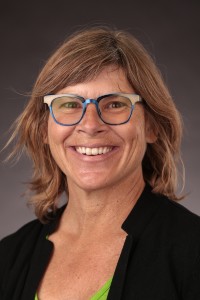
Sherry Adams
PhD
Associate Lecturer
Respiratory Physiology, Neuroscience, and Exercise Physiology
BMS
Office: TAB 280
Research
My interest is in traumatic brain injury/concussion and the modulation of respiratory neural control, neurological functions, perception, anxiety, and physiological functions. Additional areas to explore would be intervention programs including physical activity and nutrition to determine outcomes on stress, anxiety, and physiological parameters.
Education
2015 Ph.D. Veterinary Medical Sciences (Respiratory Physiology and Neuroscience), University of Florida, Gainesville, FL
2009 MS Applied Physiology and Kinesiology, University of Florida, Gainesville, FL
2006 BS Exercise Science, University of Central Missouri, Warrensburg, MO
Biographical Sketch
I am originally from the Midwest where I grew up on a farm and am a first-generation college student who went on to receive my Ph.D. with the encouragement of many great mentors. My areas of interest include Physiology, Neuroscience, and Nutrition. I have always enjoyed exercise and its positive effects on physical and mental health. As a doctoral student, I researched the effect of traumatic brain injury on respiration, somatic motor function, and anxiety. I have continued this research looking at respiratory function and anxiety in post-concussed collegiate athletes. In addition to my research interests, I enjoy mountain biking, hiking, and traveling. I am very excited to be in the West and look forward to exploring in and around Idaho.
Teaching
BIOL 3302 Advanced Anatomy and Physiology II
BIOL 2206 Cell Biology BIOL 1101 Intro to Biology
BIOL 4491 Seminar
Selected Publications
Tsai H., K. Fennelly, K.W. Hegland, S. Adams, J. Condrey, J.L. Hosford, and P.W. Davenport. Cough physiology in elderly women with nontuberculous mycobacterial (NTM) lung infections, J Appl Physiol, 2017.
Tsai H., J.A. Condrey, S. Adams, J. Wuerz, A. Specht and P.W. Davenport. The effects of internal airway percussion (IAP) new device on the concentration of exhaled protein in healthy humans and canines, J Pulm Med Respir Res 2016, 2: 006.
Adams, S., J.A. Condrey, H-W. Tsai, S.I. Svetlov, V. Prima, and P.W. Davenport. Somatomotor and behavioral changes following traumatic brain injury, Neurol Volume 1.1: http://dx.doi.org/10.16966/noa.104 Open Access 2, 2015.
Adams, S., J.A. Condrey, H-W. Tsai, S.I. Svetlov and P.W. Davenport. Respiratory responses following blast-induced traumatic brain injury in rats. Respiratory Physiology & Neurobiology, Sep 18. pii: S1569-9048(14)00215-8. doi: 10.1016/j.resp.2014.08.015. PMID: 25242461, 2014.
Tsai, H.W., S. Adams, J. Condrey, and P.W. Davenport. The effect of tracheal occlusion on respiratory load compensation: changes in neurons containing inhibitory neurotransmitter in the nucleus of the solitary tract in conscious rats. Respiratory Physiology & Neurobiology, Sep 9. pii: S1569-9048(14)00229-8. doi: 10.1016/j.resp.2014.09.002. PMID: 25218413, 2014.
Adams, S., A.A. Abbott, M.A. Arms, A.J. Baxter, C.R. Becker. E.G. Dutcher, J.K. Edelbaum and L.N. Millham. Faculty Advisors: J.A. Clawson, J.R. Crooker, P.S. Decker, K.J. Doyle, F.J. Herrington, S.L. Mandali, K.S. Stark-Wroblewski, and B.J. Zimmer. Successful aging in the heartland: The challenge of preparing interdisciplinary healthcare teams. Proceedings of NCUR, 735-741, 2006.
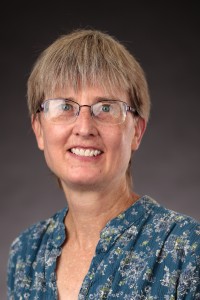
Susan Marion
PhD
Associate Lecturer
Human Anatomy & Physiology
BMS
Office: Life Sciences 209
Teaching
BIOL 3302 & 3302L Advanced Anatomy & Physiology II
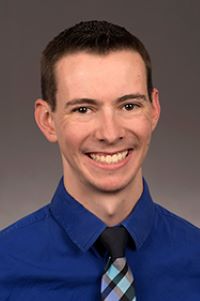
Ian Stewart
MS
Associate Lecturer
Human Anatomy & Physiology
BMS
Office: Life Sciences 190
Teaching
BIOL 3302L Advanced Anatomy & Physiology II