
The Heart of Anesthesia: Celebrating National Certified Registered Nurse Anesthetists Week
January 22, 2026
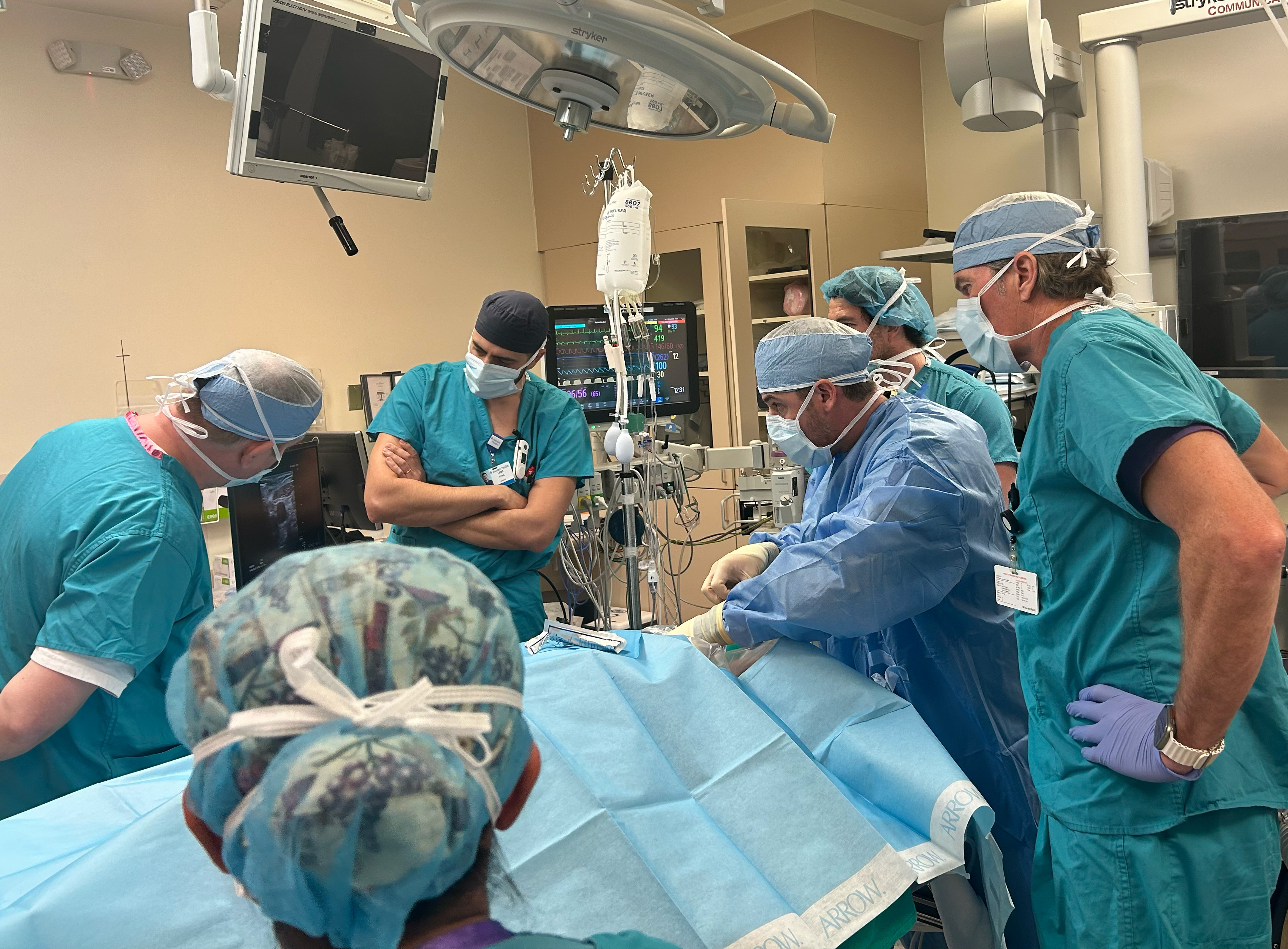
Celebrate National CRNA Week, January 18-24, honoring the vital contributions of Certified Registered Nurse Anesthetists. As part of this celebration, the Kasiska Division of Health Sciences and School of Nursing are proud to highlight Idaho's inaugural nurse anesthesia program and the opening of the Doctor of Nurse Anesthesia Simulation Center. All are invited to attend a Meet and Greet at 2 p.m. on February 2, followed by Simulation Center tours from 3-5 p.m. on the ISU Meridian campus.
Certified Registered Nurse Anesthesiologists (CRNAs), also known as nurse anesthetists, are advanced practice registered nurses who administer anesthesia and other medications, providing crucial medical care for more than 58 million patients annually. The American Association of Nurse Anesthesiology established National CRNA Week to honor over 75,000 CRNAs and residents and to highlight the vital care that they provide.
For more than 150 years, CRNAs have been serving U.S. patients. This year's theme, “The Heart of Anesthesia,” highlights the important role of CRNAs in patient care and within their communities. CRNAs provide more than 80% of anesthesia care in the U.S., and in some states, CRNAs are the sole anesthesia professionals in nearly 100% of rural hospitals, including Idaho.
This fall, on its Meridian Health Science Center campus, Idaho State University launched the first CRNA training program in the Gem State. The program accepts about 25 applicants from over 350 applicants each year.
“We are so grateful that Idaho's First CRNA Program has been embraced by Idaho and the region," Shad Westover, program director, stated. "Our first cohort of nurse anesthesia residents truly understands the significance of being the beacon class for future generations of excellent anesthesia professionals who will make a significant difference in the health care of Idaho and communities in the region.”
CRNAs are highly trained clinicians whose education and preparation reflect the complexity of the care they provide. Before entering a nurse anesthesia program, CRNAs must first gain extensive experience as registered nurses in critical care settings, where they develop advanced assessment and decision-making skills. Their doctoral-level education includes rigorous coursework in physiology, pharmacology, and anesthesia principles, along with thousands of hours of hands-on clinical training. This depth of preparation enables CRNAs to manage patients across the lifespan and respond quickly and effectively to rapidly changing clinical situations, ensuring the highest standards of safety and care.
Providing patient-focused care, CRNAs ensure patients receive quality, timely care while demonstrating essential compassion, skill, and calm during vulnerable medical moments. CRNAs will even remain with their patient throughout the procedure to ensure their comfort and safety.
CRNAs serve their communities by providing crucial care to patients from all walks of life. They support expectant families by enabling access to high-quality labor and delivery care. Additionally, they serve on the front lines and in hospitals to treat members in all branches of the military. CRNAs make surgeries and pain management treatment more accessible for everyone.
Here at ISU, students see firsthand the impact CRNAs can have on patient outcomes, especially in rural areas. One student, Bethany Boyd, recounts her time working on a rural Indian Reservation and witnessed the shortage of CRNAs, which drove her to apply for the Doctor of Nurse Anesthesia Practice (DNAP) program here at ISU.
“During multi-trauma events, having a staffed CRNA allowed for rapid airway management and placement of central venous access, interventions that are otherwise dangerously delayed in a busy, single-provider run ER," Boyd said. "Events such as caring for pediatric patients with difficult airways alongside one overwhelmed family practice physician with no CRNA to call for support, gave me a deep understanding of anesthesia’s essential role in rural medicine.”
Without these crucial people in the field, rural communities often have to wait longer to receive the medical attention they need or drive long distances, which can add to the cost for the patient.
“CRNAs play a vital role in rural regions simply by providing access to care, and my experience in critical access facilities illustrates the profound influence of a single anesthesia provider in underserved communities,” Boyd added.
Maria Konen, president of the Idaho Association of Nurse Anesthesiology agrees.
“We are especially proud to highlight Idaho State University’s DNAP program, the state’s first nurse anesthesia doctoral program," Konen said. "Launched at the Meridian campus with its inaugural cohort in Fall 2025, this three-year, full-time program prepares competent, compassionate CRNAs to serve rural and diverse populations through intensive didactic education, advanced simulation, and extensive clinical training. By educating future providers locally, ISU helps address Idaho’s anesthesia workforce needs and strengthens long-term access to exceptional care for all Idahoans.”
“We invite you to join in celebration with us on February 2," Westover said. "The future of nurse anesthesia practice in Idaho is bright, and we look forward to making a significant positive impact on the health of the region.”
Categories: