
Impactful Research
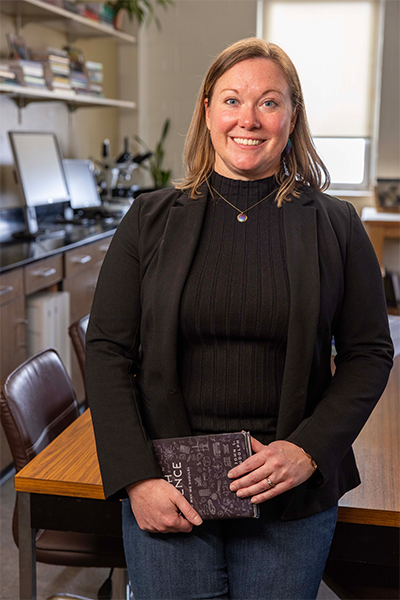
ANNA GRINATH, PhD
Associate Chair and Associate Professor
Department of Biological Sciences
Grinath’s research examines how undergraduate students learn science through participation, and is designed to support effective biology teaching and learning.
“At its heart, science moves forward through the construction and critique of knowledge claims — two central and interrelated practices that scientists use to do their work,” Grinath says. “Student participation in science practices through construction and critique is an essential, but largely absent, part of learning in university science classrooms.”
Grinath’s Biology Learning and Teaching lab addresses this challenge by studying how undergraduate students shape their ways of participating in construction and critique of knowledge claims and examining how such participation in science practices supports science learning. Grinath’s research has examined these concepts in a variety of biology courses, summer research experiences, and as part of novel course-based research experiences, resulting in instructional tools and design recommendations for effective biology teaching and learning.
“Dr. Grinath was an exceptional mentor throughout my master’s research experience,” says Alyssa Freeman, a graduate student in Grinath’s lab. “She fostered a nurturing environment among her students that encouraged curiosity, critical thinking, and community. Her support gave me the confidence to continue my education by pursuing a Ph.D. in biology education. I will always be grateful for her guidance and the lasting impact she has had on my professional growth.”
“Working in Dr. Anna Grinath's lab was impactful in many ways. Starting with the impacts on myself as a doctoral student, educator, science communicator and researcher, Dr. Grinath was open-minded from the first day that we met about finding ways to facilitate what I was interested in pursuing and helping me explore my interests in the context of relevant frameworks and current primary literature. As a mentor, she supported me as she encouraged and taught me to think creatively and critically, to be bold, and how to work effectively on my own and with a research team. Dr. Grinath modeled the type of mentor I'd like to be, which strongly influences how I approach interaction with my students. She took my research seriously even though it was a little unconventional, even to the point of herself earnestly participating in workshops and classes I taught.
Dr. Grinath's research lab was fertile soil that facilitated my growth as a researcher, a science educator, and a mentor which allowed me to broadly disperse seeds that continue to positively influence science education, science educators, students, and future educators and researchers.“
- A.M. Rasmussen, D.A.
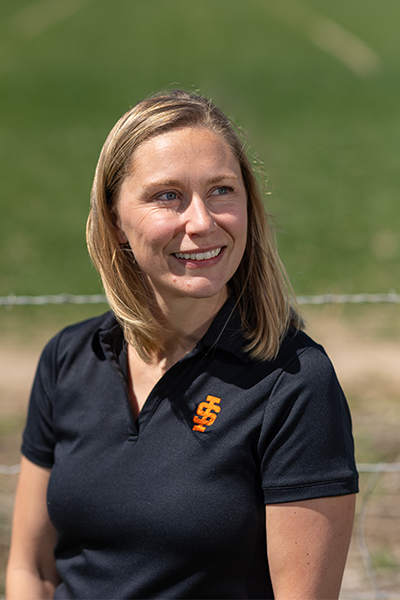
CORI JENKINS, PhD
Associate Professor
Department of Chemistry
Jenkins’ goal is to use green chemistry principles to create sulfur-based polymers to help solve environmental problems that plague our world today.
Sulfur is extracted from crude oil to prevent the release of SO2 during combustion, which can cause respiratory problems and form acid rain. This leads to millions of tons of excess sulfur produced each year making it inexpensive and abundant.
“Our primary methodology, inverse vulcanization, offers an efficient, solvent-free path to turn reclaimed sulfur waste into functional polymers,” Jenkins explains. “The simple, rapid synthesis and inexpensive reagents make these materials practical and cost-effective for large scale applications.”
Jenkins and her students have also been able to create polymers from garlic oil, a renewable sulfur source, and incorporate other renewable monomers to create more sustainable adhesives. Slight modification to the methodology led to the first water-soluble, sulfur-based polymers, limiting the need for volatile and sometimes toxic solvents and expanded the applications. These polymers can selectively remove gold ions from a mixture of different metals allowing precious resources to be reclaimed from complex waste streams, like electronics waste, helping create a circular economy. The same material also undergoes a color change in the presence of heavy metals, providing an easy way to detect lead in water.
The NSF funding provides undergraduates with the training in critical thinking, safety and scientific communication necessary to be successful in the STEM workforce.
“Most of the research in our lab deals with synthesizing sulfur-based polymers from sulfur waste generated by the petroleum industry, and I find it pretty cool that we take ‘waste’ and convert it to materials with relevant uses in society,” said Cal Norby, a student working in Jenkins’ lab.
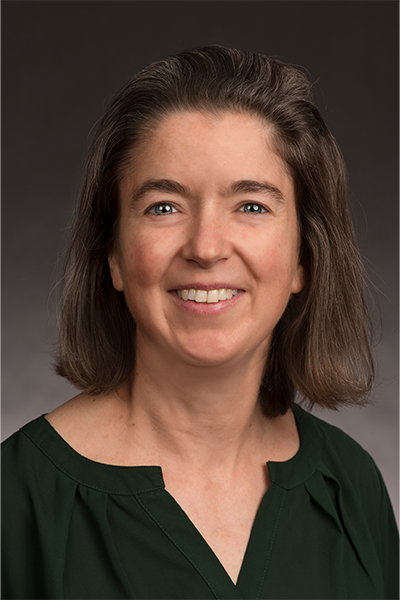
SARAH GODSEY, PhD
Associate Professor
Department of Geosciences
Dr. Sarah Godsey's CAREER research is focused on how streams respond to droughts, with a focus on mountain and polar systems. Her work aims to improve understanding of how interactions between climate and plants affect the way that water moves from mountains to rivers across Eastern Idaho. One recent study led the non-profit Henry's Fork Foundation to look at how they can improve summer water flow predictions by including precipitation amounts being used by headwater forests.
Her current mountain research focuses on the rain-to-snow transition zone – those locations on the landscape where precipitation may fall as rain or as snow during the winter (or even during a single storm), making both floods and droughts difficult to predict. She’s particularly intrigued by where, when, and why streams go dry during droughts. In polar systems, she studies permafrost in northern Alaska, collecting field data and modeling future trends in how water and nutrients may respond to climate change.
“In Idaho, we actually have many streams that are dry for much longer than just a few days; they'll dry for a few months or even longer each year,” Godsey says. “It turns out that when streams dry, they can have impacts downstream on water bodies like streams and rivers that flow year round, and so understanding what's going on up in the tips of a watershed, in the headwaters that drain down, turns out to be really important for both water quantity as well as water quality, which can have an impact on us year round from year to year.”
In addition to scientific instruments, studying water levels in the Idaho outdoors requires survival skills as well.
Godsey adds, “You never know what's gonna happen when you're doing field work, but collecting this really difficult to collect data is one of the joys of doing field science and then seeing the data streams at the end, and what you can learn from these is just so important.”
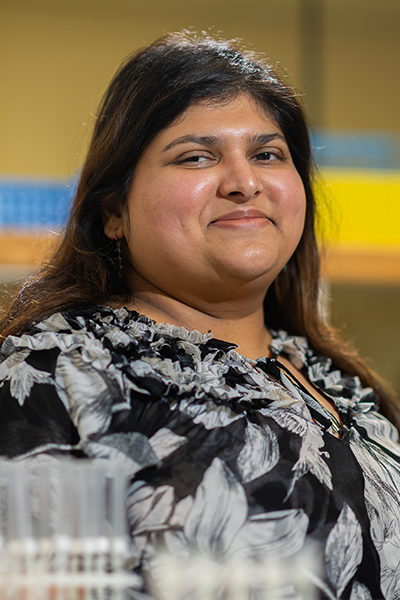
DEVALEENA PRADHAN, PhD
Associate Professor
Department of Biological Sciences
Over the past two decades, including the last seven years at Idaho State University, Dr. Devaleena Pradhan has been at the forefront of utilizing non-traditional species of wild-caught songbirds and fish to understand how hormones shape anatomical features and complex social behavior. She and her trainees combine approaches in chemistry, biochemistry, molecular biology, and engineering design to unravel these intricate and specialized behavioral processes.
Through the development of a “Vertically Integrated Project” course, she has enhanced the opportunities for scholarship and scientific exploration in the Department of Biological Sciences.
The NSF CAREER grant has enabled her to expose those at all levels to not only develop hands-on innovative research approaches using field and lab techniques but also provided professional development opportunities through attending and presenting research at national scientific conferences.
“We are focused on the systematic investigation of hormone-function relationships in socially living animals using innovative and cutting-edge technology from different scientific disciplines,” Pradhan explains. “We create an active learning environment that engages scientific discovery at all levels – including high school, undergraduates, post baccalaureate, graduate students and postdoctoral.”
“Working in Devaleena Pradhan’s Integrative Physiology Lab has given me the opportunity to grow as a scientist and integrate my field of biomechanics with her expertise of endocrinology. Dr. Pradhan encourages me to explore and develop my own ideas, for example, studying the relationships between morphological features and social behavior in our study organism. She encourages me to take leadership roles and models how to help undergraduate and graduate students develop, preparing me for a successful career.”
-Makenzie Reed, PhD student
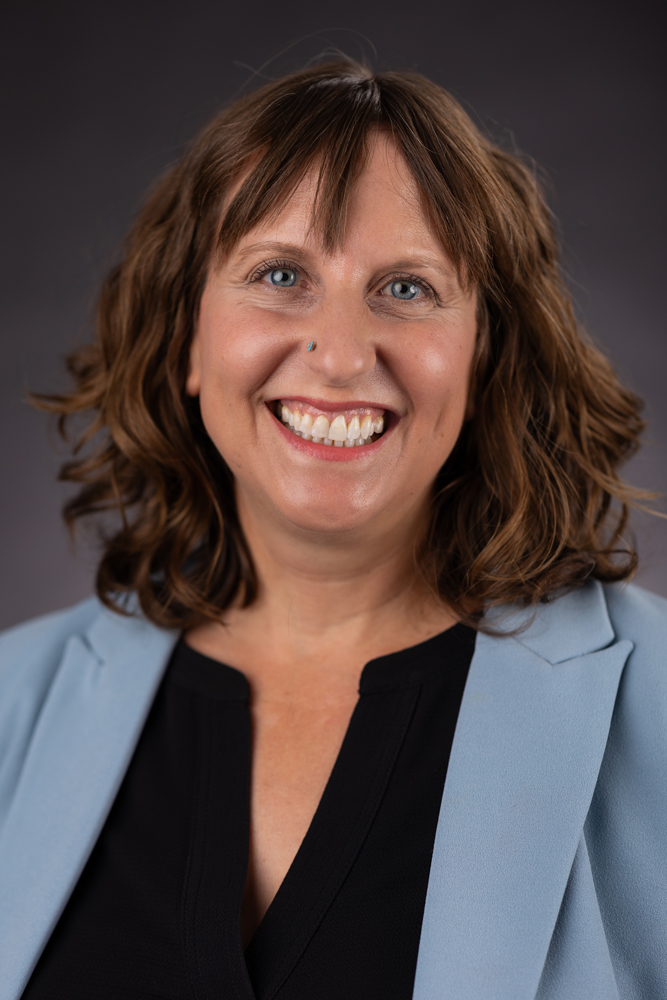
ERIKA COLES, PhD
Associate Professor of School Psychology and Educational Leadership
College of Education
Erika Coles conducts research focused on interventions for ADHD and other related disorders, specifically highlighting the correlation between evidence-based interventions that have been well documented, and significant barriers that remain in their implementation in real life settings, including schools and home. Dr. Coles’ work seeks to explore ways of reducing these barriers through innovative research methods and training. She has received over $15 million of grant funding from both federal funding sources such as the National Institute of Mental Health, Department of Education and Institute of Education Sciences, as well as state and local funding from the Idaho Department of Education and Children’s Trust of Miami-Dade County. This funding and her work combine to support three interrelated lines of research:
- Investigating ways to increase treatment integrity in the implementation of school-based classroom interventions
- How to best sequence evidence-based treatments for ADHD (i.e., behavioral interventions and stimulant medication) to improve child outcomes in school settings
- Developing innovative behavioral consultation methods to address barriers that teachers face in the implementation of evidence-based interventions for ADHD and related disorders in the classroom, including teachers’ knowledge, skills, and beliefs.
I have had the privilege of working on population-based mental health projects with Dr. Coles for the last two years and have witnessed the impressive impact she has had on the mental health of children in our Idaho schools. Idaho State University also benefits from the strong relationships that Dr. Coles has built with local school systems as she works to expand mental health research, direct services, and training alongside these partners.
- Dr. Kristin Van De Griend, Department Chair and Associate Professor, Department of Community and Public Health
With the many barriers to treatment for mental health issues in youth, Dr. Coles' research will not only improve the lives of children and their families, but also, integrate the behavioral health and educational systems, creating lasting change that goes beyond the individual student.
- Dr. Elizabeth Fore, Director, Institute of Rural Health
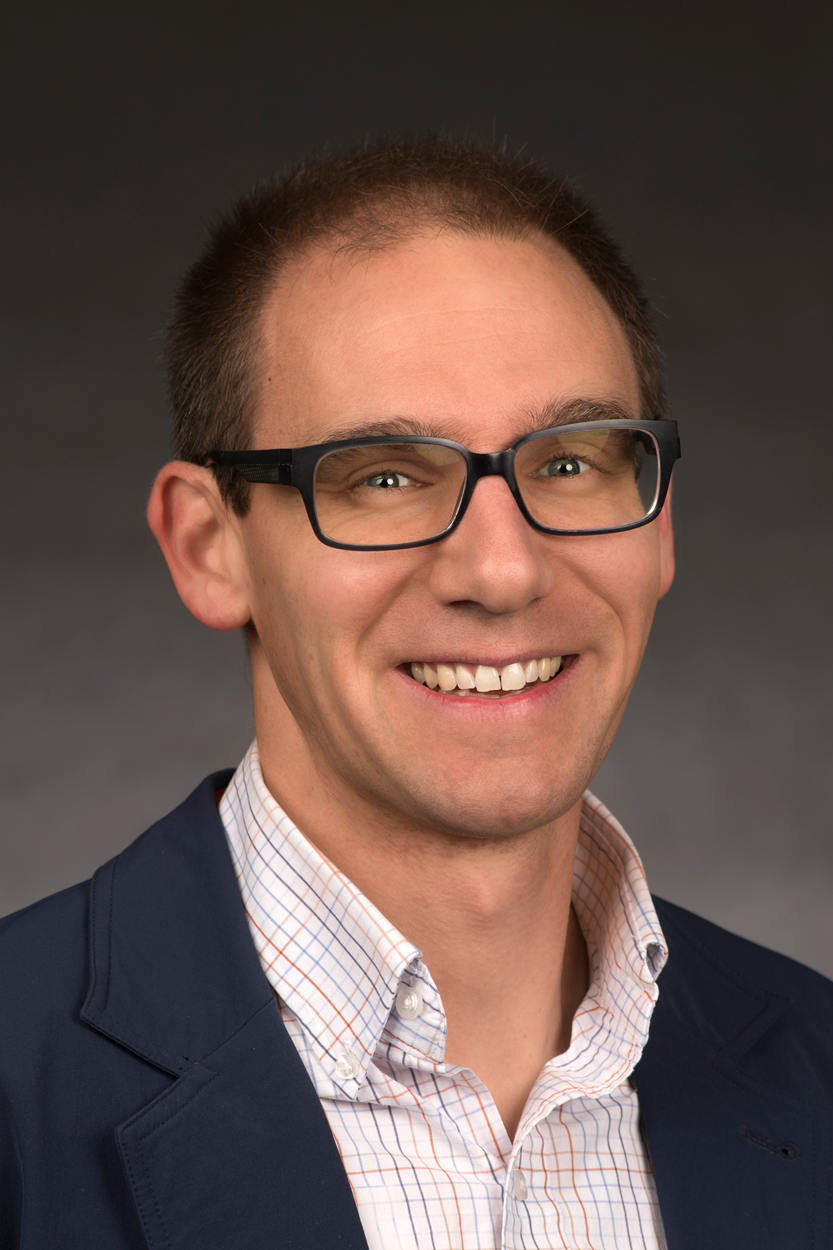
SEAN MCBRIDE
Industrial Cybersecurity Engineering Technology Clinical Sr. Instructor
Informatics Research Institute and ESTEC, College of Business and College of Technology
Civilization depends on computerized systems to provide clean drinking water, reliable electricity, and affordable manufactured goods. But these systems have never been secured from cyber-attacks. McBride’s research has helped create a foundation for formally preparing a new class of engineering/cybersecurity professionals capable of seamlessly interacting among previously disparate fields of practice.
McBride's research led to a formalized Knowledge Unit that other colleges and universities can follow (published by the Centers of Academic Excellence in Cybersecurity), an OT Security Engineering Work Role (published by the National Institute of Standards and Technology), and the development of a DOE-sponsored community of practice for cyber-informed engineering education and workforce development.
“Sean’s research on building an industrial cybersecurity program is a pioneering effort that addresses the increasingly complex challenges of protecting critical infrastructure from cyber threats. By integrating cutting-edge concepts such as threat detection, risk mitigation, and incident response strategies tailored for industrial environments, Sean’s work has set a high standard for cybersecurity programs worldwide.”
- Katy Fetzer, Program Graduate working at Idaho National Laboratory
“Sean McBride has built a program that produces not only highly competent and skilled individuals, but workforce-ready professionals who think critically; prepared to face today's Industrial Cybersecurity challenges with creative and unique perspectives. Sean's program is producing our nation's next generation of cyber protectors -- equipped to confront today's most pressing and consequential threats facing our critical infrastructure. The impact of his work is lasting and is continuing to fill the demand for an essential skill set in modern-day cyberspace.”
- Jack Hall, Program Graduate and Research Assistant at ISU
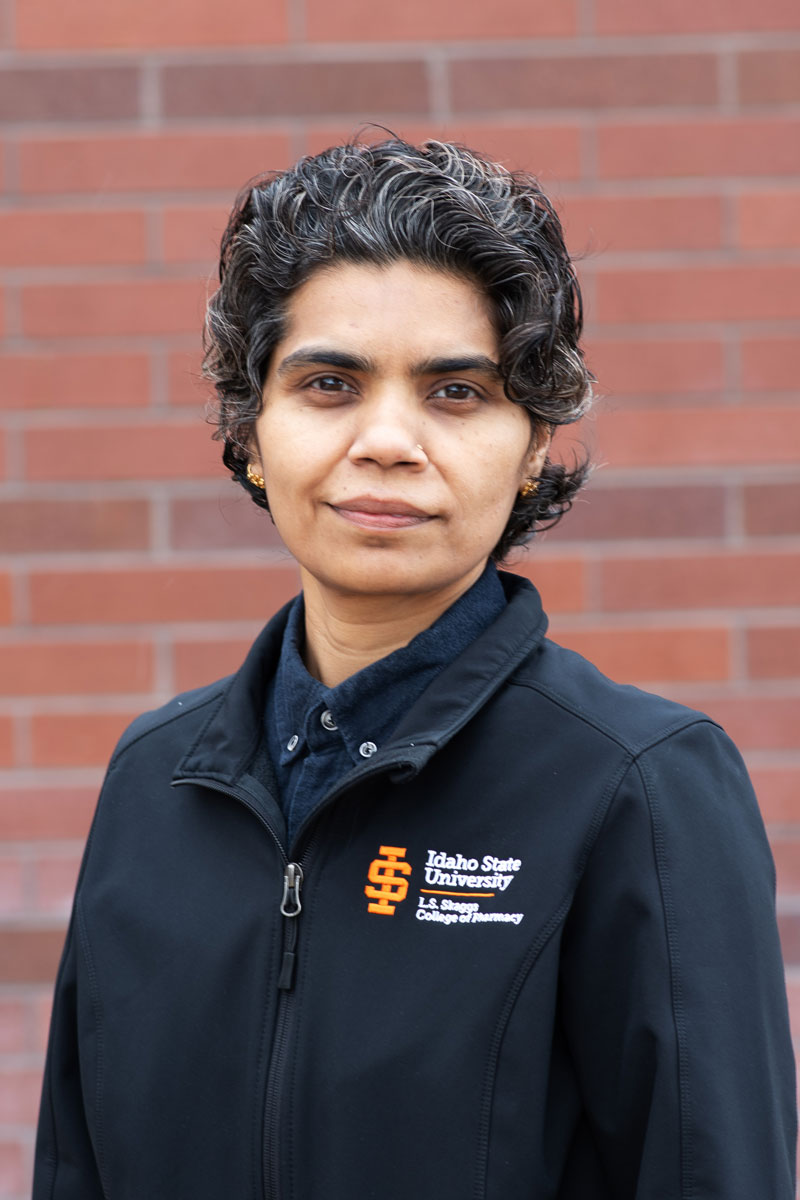
KAVITA SHARMA, Ph.D.
Assistant Research Professor
College of Pharmacy, Department of Biomedical and Pharmaceutical Sciences
Dr. Kavita Sharma's research identifies novel biomarkers and elucidates molecular mechanisms governing biological processes. Her work focuses on the connection between aging, gut bacteria, and the immune system. Specifically, her lab investigates how gamma-aminobutyric acid (GABA), a major inhibitory neurotransmitter, and the gut bacteria that produce it can impact health during the aging process.
Recognizing that aging is often associated with gut dysbiosis and declining GABA levels, Dr. Sharma's research targets GABA-modulating bacteria to determine viable strategies for maintaining gut homeostasis, balancing circulating GABA levels, and rejuvenating declining immune function. To study these relations at a molecular level, she uses liquid chromatography-mass spectrometry (LC-MS/MS) to perform proteomic, lipidomic, and metabolomic studies.
Dr. Sharma is an exceptional scientist. Her approach to aging and neurodegenerative disease research and her ability to independently develop new research directions integrating metabolomics, proteomics, and microbiome science is particularly innovative. She brings meticulous skill to her experimental work while at the same time showing outstanding initiative in building collaborations, pursuing NIH and NSF funding, and advancing ISU’s analytical capabilities. Her passion for discovery, creative problem-solving, and strength as a collaborator make her an invaluable colleague.”
— Marvin Schulte, Professor, Associate Dean at Tufts University
“Working in Dr. Sharma’s lab has been the utmost highlight of my time at ISU. She is always working on something new, whether it be a new procedure, new proposal, or helping me become confident in presenting the research that we have been working on together.”
— Sanaly Nava, Undergraduate Researcher in Health Science
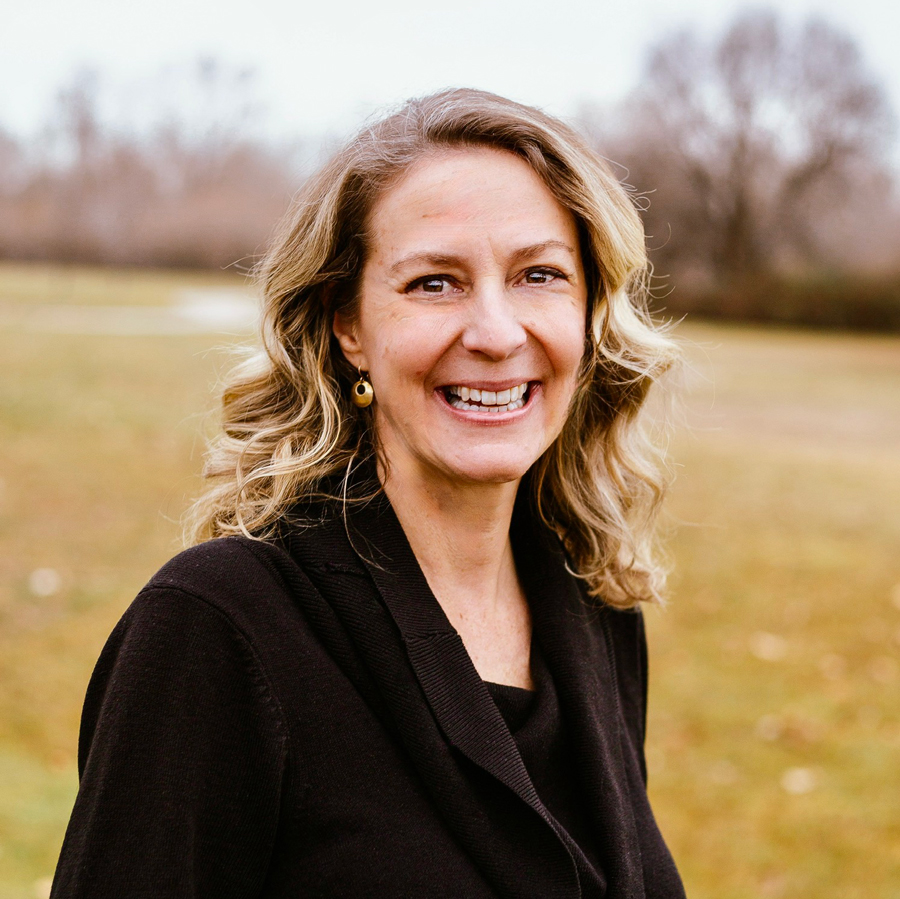
KRISTINA M. BLAISER, Ph.D.
Professor
College of Health, Communication Sciences and Disorders
Kristina M. Blaiser, Ph.D., CCC-SLP, has significantly advanced family-centered early intervention for children who are deaf or hard of hearing through decades of research, telepractice, workforce development, and policy work, consistently translating evidence into practical, widely used tools that empower families and providers to improve developmental, educational, and communication outcomes for children with hearing differences.
Kristina is one of the first people I text, call, or email when I have questions about service delivery for children who are deaf or hard of hearing. She is able to provide great insight into how childhood hearing loss impacts language acquisition and academic achievement, as a result of her vast clinical and research experience. I have come to greatly admire Kristina and all that she has accomplished during the time that I have known her. She is a dedicated speech-language pathologist, teacher, and leader in the field.”
— Elizabeth Walker, University of Iowa
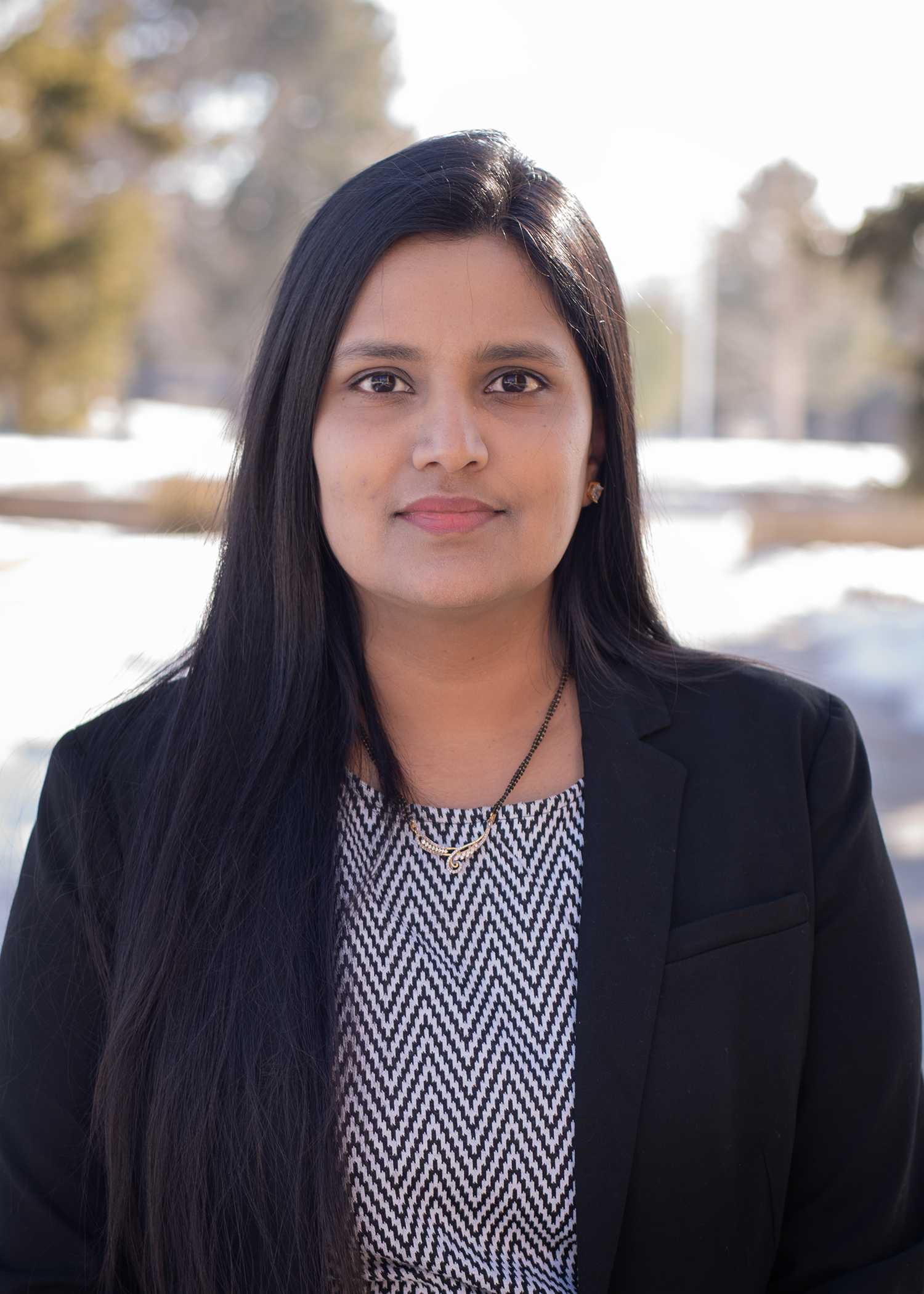
SONALI SALUNKHE, PhD.
Undergraduate Program Director of Healthcare Administration
Assistant Professor of Healthcare Administration
Department of Management, College of Business
Dr. Salunkhe has a medical background and holds a doctoral degree in Health Management and Policy. Her research expertise includes health services research with a focus on access to healthcare and health policies. Her ongoing research work includes projects focused on, but not limited to, expanding the behavioral health workforce in high-need, high-demand areas across Western and Southeastern Idaho, a multi-stakeholder engagement study to better understand autism spectrum disorder diagnosis, and determining factors that are associated with employee engagement and job embeddedness among the healthcare workforce.
One of the hallmarks of Dr. Salunkhe’s research work is her dedication to collaboration and partnerships. She works with multiple interdisciplinary teams, healthcare organizations, community partners, and healthcare industry leaders to bridge the gap between research and practice. The interdisciplinary team that she works with was awarded a Behavioral Health Workforce Education and Training Program grant from the Health Resources and Services Administration, a federal agency of the Department of Health and Human Services, to expand Idaho’s behavioral health workforce.
— Dr. Alex Gantt-Howrey, Assistant Professor of Counseling
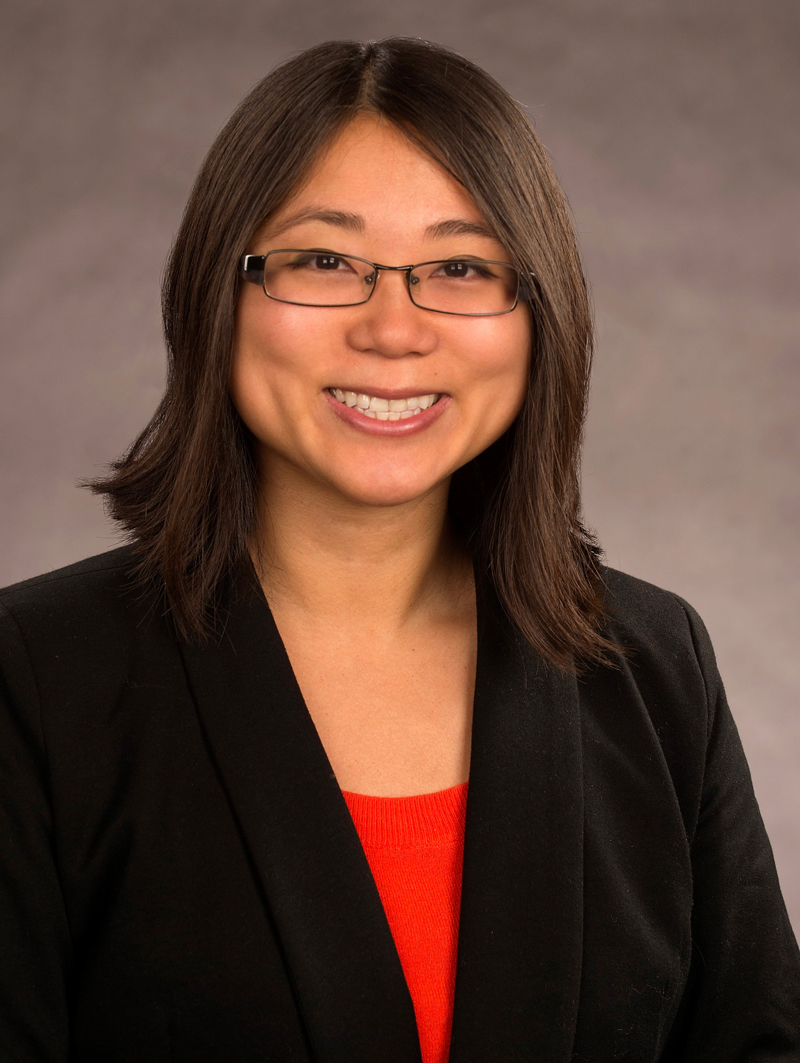
XIAOMENG XU, PhD
Professor of Psychology
Department of Psychology, College of Arts and Letters
Dr. Xu was trained as a Social Health Psychologist and has conducted research for the past two decades on romantic relationships, behavioral health, and impactful factors on these domains. At ISU, they lead the THOR (Teaching, Health, and Optimal Relationships) Laboratory and have the great privilege of working with brilliant students who are currently researching education, health, and individual differences.
Dr. Xu stepped in at a pivotal time in my graduate training, providing unwavering support and meaningful investment in my development as my dissertation advisor. Dr. Xu created a safe environment to explore research ideas, pushed me to grow as a researcher, and guided me in communicating research with confidence. She did this all while emphasizing the importance of self-care and balance. I have aimed to embody Dr. Xu’s humble and caring approach in my research mentorship roles in academic medicine.”
— Matt Schumann, PhD, ABPP, Mayo Clinic
“Dr. Xu’s and the lab set me up to succeed in my career to provide the best care to our Veterans. Our research projects focusing on health factors, neuropsychology, and self-expansion highlighted the importance of overall health and how to support others as they work on improving their wellbeing. In addition, the FitBit Study was a pivotal project that challenged me to develop my research skills further and prepared me for navigating my dissertation successfully. My dissertation, focusing on Veteran reintegration post deployment(s), fostered my understanding of military and Veteran culture. Learning about reintegration difficulties and studying variables of identity and self-growth of the service member had set me up wonderfully to better serve at the Veterans Health Administration (VHA) as an intern and throughout my career. Now, as the Chief of Psychology, I continue to use what I learned in Dr. Xu’s lab to provide Veteran-centered care and meaningful conversations at VHA, as well as support both trainees and staff in their growth and goals.”
— Dr. Samantha Oliver, Chief of Psychology and Deputy Chief of Staff of Mental Health, Fargo VA Healthcare System
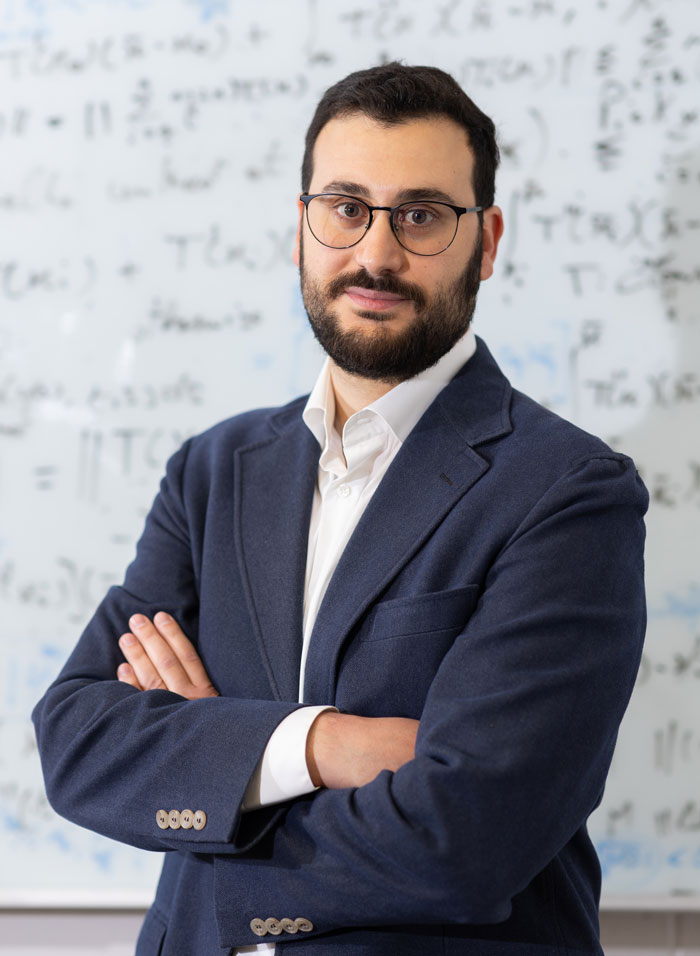
EMANUELE ZAPPALA, PhD
Assistant Professor
Department of Mathematics & Statistics
College of Science and Engineering
Dr. Zappala’s research develops mathematical and machine-learning frameworks to understand complex systems in neuroscience, physics, and quantum information. His work combines operator learning methods in machine learning with ideas from topology to model nonlocal and high-dimensional dynamics.
A major focus of his research is the study of brain activity using data such as functional MRI (fMRI). By applying operator learning techniques inspired by topological concepts such as fixed-point theory, his work aims to capture the underlying structure of brain dynamics and improve the interpretability of learned models.
In parallel, Dr. Zappala studies quantum algebraic structures, including quantum groups and Yang–Baxter operators, and their associated cohomology theories. This work aims to contribute to quantum topology through the development and study of quantum invariants, with applications to mathematical physics. He also explores connections between topological quantum field theory and quantum machine learning, using tools from quantum topology and quantum algebra.