
Impactful Teaching and Research
As part of an initiative to recognize impactful research, teaching and creative scholarship across Idaho State University campuses, two faculty who have made meaningful contributions in these key focus areas are being honored each month during the academic year.
Impactful Teaching

MICHAEL THOMAS, PhD
Professor of Biology
Department of Biology
College of Science and Engineering
Dr. Thomas teaches BIOL 3358 Genetics to about 60 students each semester and leads BIOL 1111 and 1112 Bacteriophage Discovery and Genomics Labs, course-based undergraduate research experiences for first-year students. In these labs, students work in teams to discover and characterize novel bacteriophages—viruses that kill bacteria, including antibiotic-resistant strains. Students gain hands-on skills in microbiology, genomics, bioinformatics, and scientific communication, and the phages they discover are added to a national archive and may be used to treat patients.
Having Dr. Thomas as both my lecture and lab instructor has been one of the most meaningful parts of my academic experience. He has pushed me to become a stronger, more confident student by challenging me to think critically and truly understand the material. In both the classroom and lab, he creates an encouraging environment while setting high expectations and providing the support to meet them. His genuine enthusiasm for teaching has inspired me and shaped the way I approach my learning.”
— Student at Idaho State University
Impactful Research
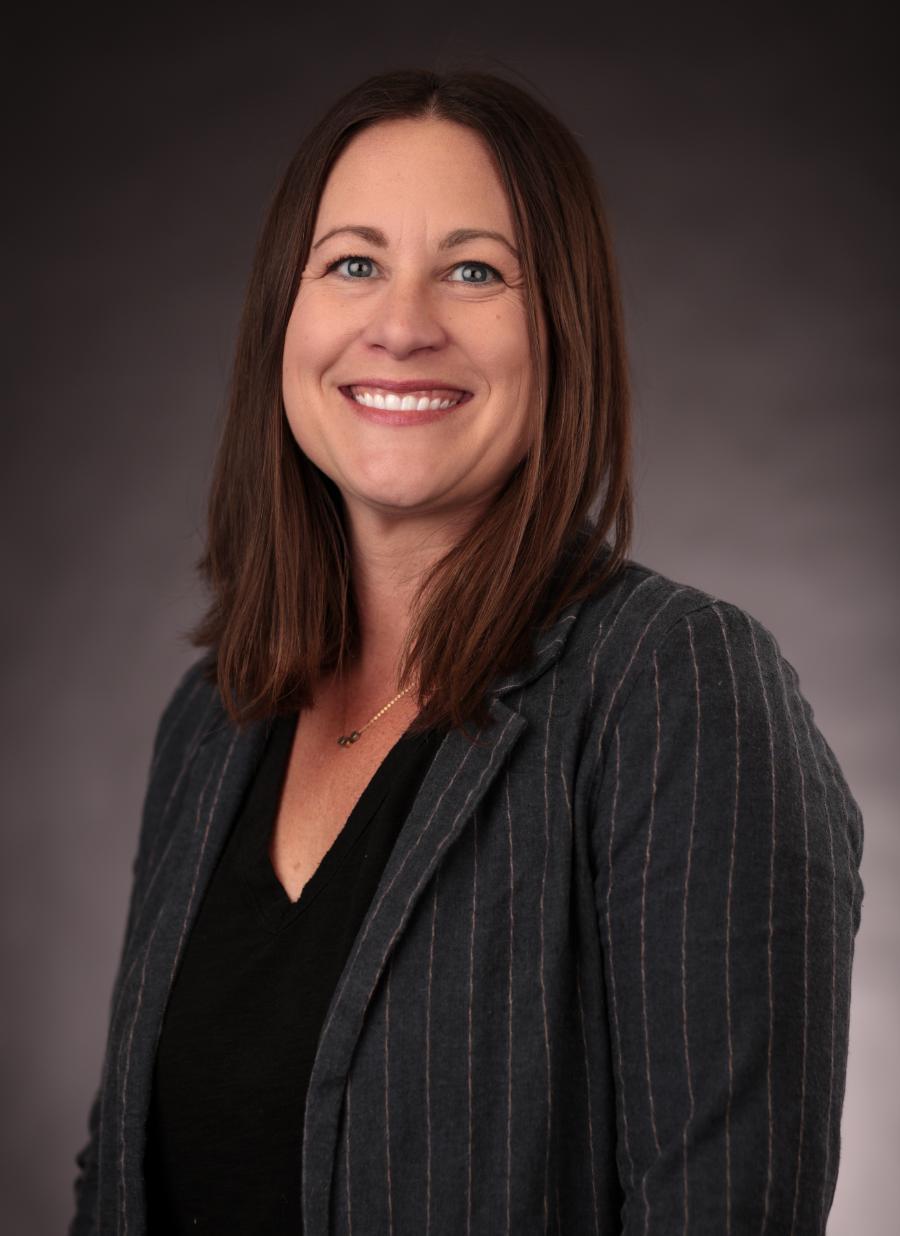
KRISTIN VAN DER GRIEND, PhD
College of Health
Department of Community and Public Health
Dr. Van De Griend engages in global, community-based public health research and practice with
the intent to promote health equity through implementation science. She collaborates on projects
related to community development, maternal and child health, mental health, infectious diseases,
and capacity-building, working with others to support and contribute to these areas of public health
research and practice.
Some of Dr. Van De Griend's work includes:
-
HRSA Behavioral Health Workforce Education and Training Program for Paraprofessionals: ISU Community Health Worker Training Academy; Co-Director with Dr. Ryan Lindsay
-
NIH STrengthening Research Opportunities for NIH Grants (STRONG): BRING-IT Biomedical research investing in growth and ISU talent; Co-Principal Investigator with Dr. Michele Brumley
-
Beckon Foundation: Reducing maternal and neonatal mortality in Namibia by enhancing advanced midwifery education and training in Namibia; Co-Investigator (PI, Dr. Jonathan Cree)
-
Gilead Sciences: Screening and treatment for chronic Hepatitis C infection in persons incarcerated in county jail settings; Research Scientist (PI, Rachel Mugleston)
-
Idaho Department of Health and Welfare: Idaho Collaborative for Infectious Disease Prevention; Co-Director with Drs. Ryan Lindsay and David Hachey
Dr. Kristin Van De Griend is a generous colleague, inclusive collaborator, and an amazing mentor to students. I am delighted to be working with her on the NIH BRING-IT Project, which is funded by the National Institutes of Health. This project includes a needs assessment of ISU’s biomedical research capacity, which is spearheaded by Dr. Van De Griend, and will lead to development of an institution-wide and data-informed action plan for strengthening our biomedical research infrastructure. Dr. Van De Griend is a leader in community-based public health research, and her leadership on the BRING-IT Project is impactful to the research enterprise and community at ISU!”
— Michele Brumley, ISU Associate Vice President for Research