Inspiring Educators
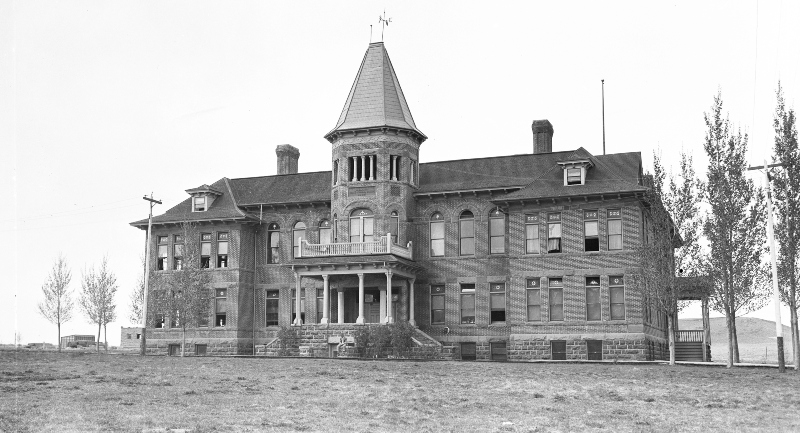
Empowering educators has been part of ISU’s mission for over 100 years
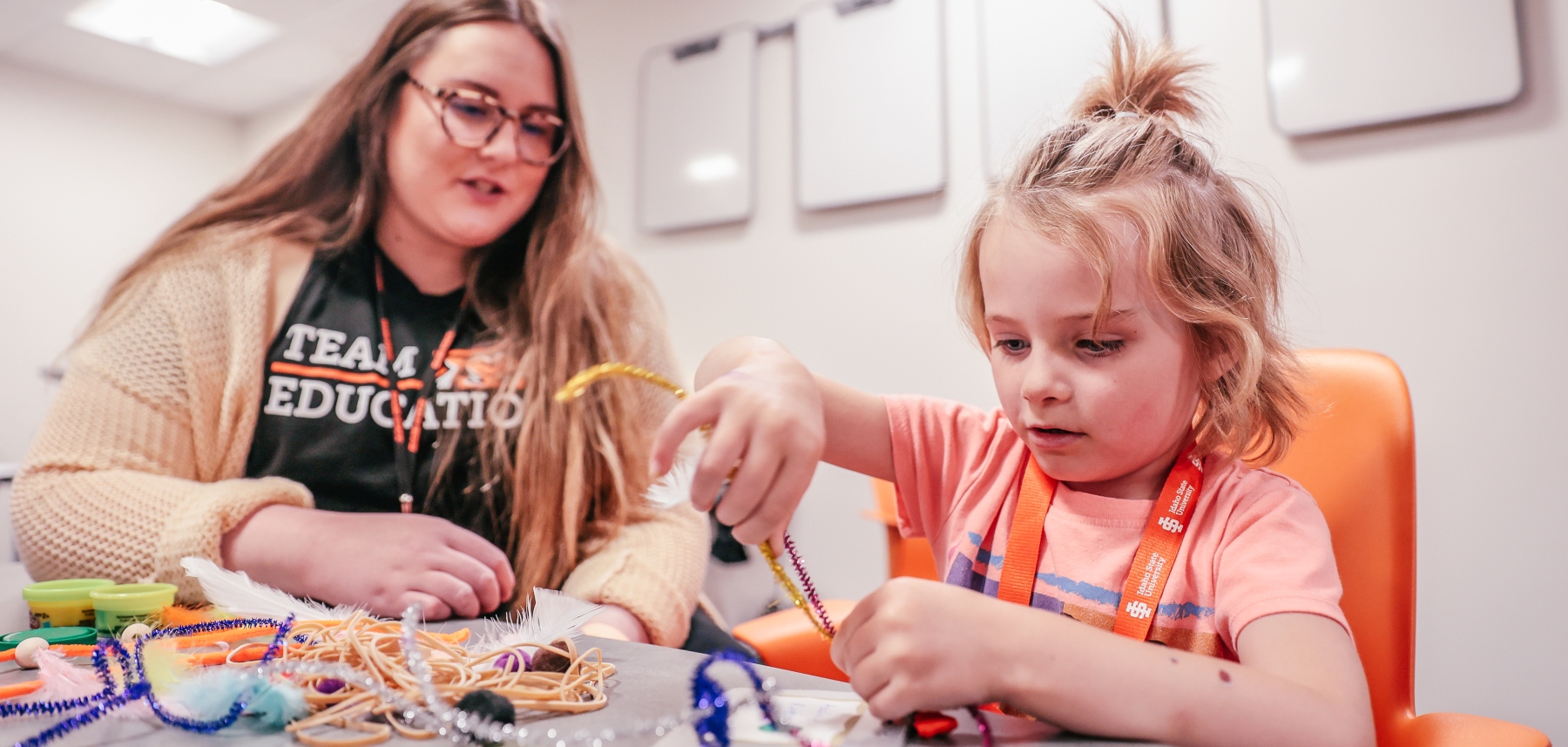
Preparing exceptional teachers requires more than just coursework. It takes meaningful field experiences, strong partnerships with schools and evolving programs to cater to the needs of students and the community.
At Idaho State University, the School of Education is working alongside school districts across Idaho to prepare the next generation of educators, while also supporting current educators through professional development, service initiatives and collaborative partnerships.
It starts with the dedication of the Office of Field Experience, where Director of Clinical Experience Mona Heern conducts ongoing in-person meetings with school districts.
“Regular in-person visits help principals and teachers see the School of Education as a collaborative partner rather than an outside entity, which builds trust and increases the schools’ openness to host and train our student teachers in the field,” she said.
Heern says feedback from the field is an essential element for teacher preparation programs. This input ensures that efforts in training future educators align with the realities and needs facing schools today. Based on this feedback, the program has added additional workshops on classroom practices to support high-need learners, trauma-informed practices and teacher mental health.
These visits also help clarify expectations for student teachers, cooperating teachers, and principals, leading to smoother and more meaningful student teaching placements.
“In my experience, school leaders are more open and direct when sharing feedback in-person compared to formal reports or surveys,” said Heern.
The conversations with school leaders have helped shape a variety of programs and opportunities designed to strengthen Idaho’s educator workforce. In response to those needs, the School of Education has created innovative programs to combat educator shortages, expand access to teacher preparation, and support rural districts that face unique challenges.
Among these initiatives is the Robert Noyce Teacher Scholarship Program, which is funded by the National Science Foundation (NSF), and encourages undergraduate STEM majors to become K-12 mathematics and science teachers by committing to teaching in high-need school districts in return for financial support. Scholars are eligible for up to $16,000 per year to complete their degrees and earn their teaching credential through the Master of Arts in Teaching program.
Another opportunity provided by the School of Education is the Paraprofessional to Certified Teacher Pathway (PaCT). This scholarship pathway of the Online Teacher Education Program (OTEP) provides working paraprofessionals the opportunity to earn a bachelor’s degree and teacher certification in K-12 special education or K-8 elementary education. Elementary candidates can pursue an additional endorsement in ESL, early literacy or special education.
The pathway places a strong emphasis on field experience, allowing participants to take classes online and continue working full-time in schools while completing the program.

For rural school districts, the need for more teachers is imperative as they often face a greater challenge in attracting and retaining teachers. With the Teaching in Rural Areas Immersion Learning (TRAIL) Experience, teacher candidates are immersed in a one-week trip in a rural community. Participants gain knowledge of teaching in rural school districts from teachers and school leaders, participate in activities, and explore the area.
While these programs help prepare future teachers, the School of Education is equally committed to supporting the educators already serving Idaho communities.
During the 2025-26 school year, the Education Club and Mathematics Education Association partnered with the Office of Field Experience to do several service projects with local school districts. These efforts took many forms, including providing volunteers for school-sponsored events, in classrooms to support teachers and students, and collaborating with schools on events such as STEM nights. These partnerships developed and facilitated additional learning stations and allowed for planning and implementing larger service initiatives in partnership with schools and community organizations such as the Boys and Girls Club of Southeast Idaho.
“The success of our students, educators and communities is at the heart of everything we do.”
Outside of student service initiatives, faculty also provide workshops and other professional development opportunities for educators throughout the year. Support offered has included workshops on trauma-informed strategies to support students with behavioral needs, hands-on activities focused on introducing artificial intelligence in the growing technological world, and other topics identified through ongoing conversations with schools.
“At Idaho State University, we view educator preparation as both a privilege and a responsibility,“ said Esther Ntuli, Ed.D., associate dean of the School of Education. “By listening to schools, responding to workforce needs, and investing in innovative pathways for teacher preparation and professional growth, we are helping shape a stronger future for education across Idaho. The success of our students, educators, and communities is at the heart of everything we do.”
The College of Education was strategically merged with the College of Arts and Letters as part of a budget reduction and organizational restructuring plan in 2026, becoming the School of Education. ISU’s budget realignment and revenue-generation strategies prioritize long-term structural alignment to improve efficiency, strengthen organizational effectiveness, and create opportunities for strategic reinvestment.
Visit the FY2026-FY2027 Budget Restructuring Plan to learn more about our planning process and the University’s comprehensive budget response.